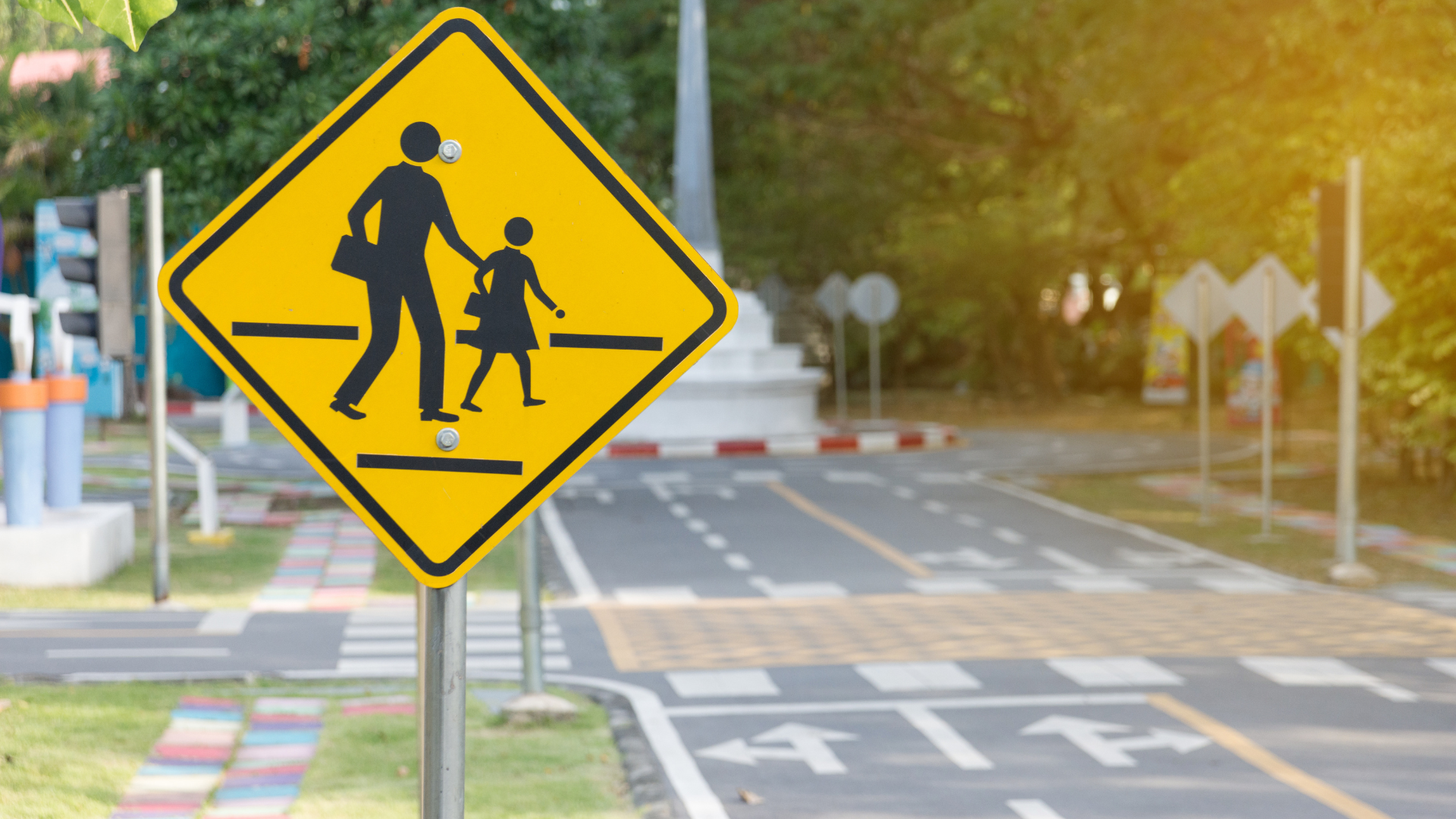
Two pedestrians were killed in separate crashes in Jackson, according to WLBT. Authorities continue investigating both tragic incidents while working to determine the circumstances that led to each collision. Pedestrian accidents often result in catastrophic injuries or fatalities because people on foot have little protection against the force of a moving vehicle. Families affected by these heartbreaking events frequently face overwhelming emotional grief, unexpected financial burdens, and difficult legal questions while trying to move forward. Understanding your legal rights after a fatal pedestrian collision can help protect your family’s future as the investigations continue.
At Bob Germany Law, we understand how devastating a fatal pedestrian accident can be for surviving family members. Our legal team works diligently to investigate every aspect of a collision while pursuing the compensation our clients deserve for their losses. We gather critical evidence, communicate directly with insurance companies, and develop strong legal strategies designed to protect our clients’ interests throughout the claims process. Every family receives compassionate guidance and personalized representation because we recognize that every case presents unique challenges. If your family has been affected by a serious pedestrian accident, call us at (601) 812-5524 to schedule a free consultation.

How Jackson Pedestrian Crash Lawyers Can Help When an Accident Turns Fatal
At Bob Germany Law, our Jackson pedestrian crash lawyers understand the emotional and financial challenges families face after losing a loved one in a preventable collision. We thoroughly investigate every case while gathering evidence that supports strong wrongful death claims and identifies every potentially responsible party. Our attorneys review police reports, interview witnesses, analyze surveillance footage, and work with accident reconstruction professionals whenever additional investigation strengthens the case. We also handle communications with insurance companies while protecting our clients from unnecessary stress throughout the legal process. Our goal remains helping families pursue justice while allowing them to focus on healing during an incredibly difficult time.
Fatal pedestrian accident claims often involve complicated liability issues, substantial financial losses, and aggressive insurance company tactics. We carefully evaluate funeral expenses, medical costs, lost financial support, pain and suffering, and every other recoverable damage before preparing each claim. Our legal team develops a personalized strategy based on your family’s unique circumstances while pursuing every available source of compensation. We remain prepared to negotiate aggressively or proceed to trial whenever necessary to protect our clients’ rights and interests. Throughout every stage of the case, we remain committed to providing responsive communication, compassionate guidance, and determined legal advocacy.
Common Injuries Caused by Jackson Pedestrian Accidents
Pedestrian accidents frequently result in severe injuries because individuals on foot have little protection during a collision with a moving vehicle. Even crashes occurring at relatively low speeds may cause life-changing physical trauma requiring extensive medical care and lengthy rehabilitation. Understanding the types of injuries commonly associated with Jackson pedestrian accidents helps victims recognize the importance of obtaining prompt medical treatment and ongoing care. Many injuries continue affecting a person’s health, employment, and daily activities long after the accident occurs. Comprehensive medical evaluations often play an important role in both recovery and future compensation claims.
Traumatic Brain Injuries
Head injuries remain among the most serious consequences of pedestrian accidents. Victims may strike the vehicle, pavement, or another object during the collision, increasing the risk of traumatic brain injuries ranging from mild concussions to permanent neurological damage. These injuries frequently require emergency treatment, advanced imaging, rehabilitation, and long-term medical monitoring. Early diagnosis often improves treatment outcomes while documenting the full extent of the injury. Ongoing care may become necessary for months or even years following the accident.
Concussions and Mild Brain Injuries
A concussion may appear minor immediately after a collision, yet symptoms sometimes develop gradually over several hours or days. Victims often experience headaches, dizziness, confusion, nausea, memory problems, and difficulty concentrating. Medical professionals recommend prompt evaluation because untreated concussions may worsen over time. Careful monitoring helps identify complications that require additional treatment.
Symptoms May Appear Later
Not every brain injury causes immediate symptoms. Continued medical observation helps identify delayed complications before they become more serious.
Severe Traumatic Brain Injuries
More serious brain injuries may result in permanent cognitive impairment, speech difficulties, mobility limitations, or personality changes. Victims often require hospitalization, rehabilitation, and assistance with daily activities throughout recovery. Long-term treatment plans frequently involve several medical specialists working together. These injuries may permanently affect independence and quality of life.
Long-Term Care May Be Necessary
Severe brain injuries often require ongoing medical treatment and rehabilitation. Recovery timelines vary depending on the severity of the injury.
Spinal Cord and Back Injuries
The force of a pedestrian collision frequently places tremendous stress on the spine and surrounding muscles. Victims may suffer fractured vertebrae, herniated discs, spinal cord damage, or other serious back injuries requiring extensive treatment. Some spinal injuries result in permanent disabilities that affect mobility and independence. Early medical evaluation helps determine the severity of these conditions. Prompt treatment also supports better long-term recovery.
Herniated Discs and Back Trauma
Pedestrian accidents commonly cause injuries affecting the discs separating the vertebrae. Victims may experience severe pain, numbness, weakness, or reduced mobility following the collision. Physical therapy, injections, or surgery may become necessary depending on the severity of the injury. Comprehensive treatment helps improve long-term function.
Back Injuries Often Worsen Over Time
Pain may increase gradually as swelling develops after the collision. Continued medical care helps address these evolving symptoms.
Spinal Cord Damage
Severe collisions sometimes damage the spinal cord, resulting in partial or complete paralysis below the injury site. Victims often require specialized rehabilitation, adaptive equipment, and long-term medical support. These injuries frequently create permanent physical limitations affecting nearly every aspect of daily life. Early intervention remains critical following spinal trauma.
Spinal Injuries Can Be Life-Changing
Permanent spinal injuries often require lifelong adjustments. Comprehensive rehabilitation helps maximize recovery whenever possible.
Broken Bones and Orthopedic Injuries
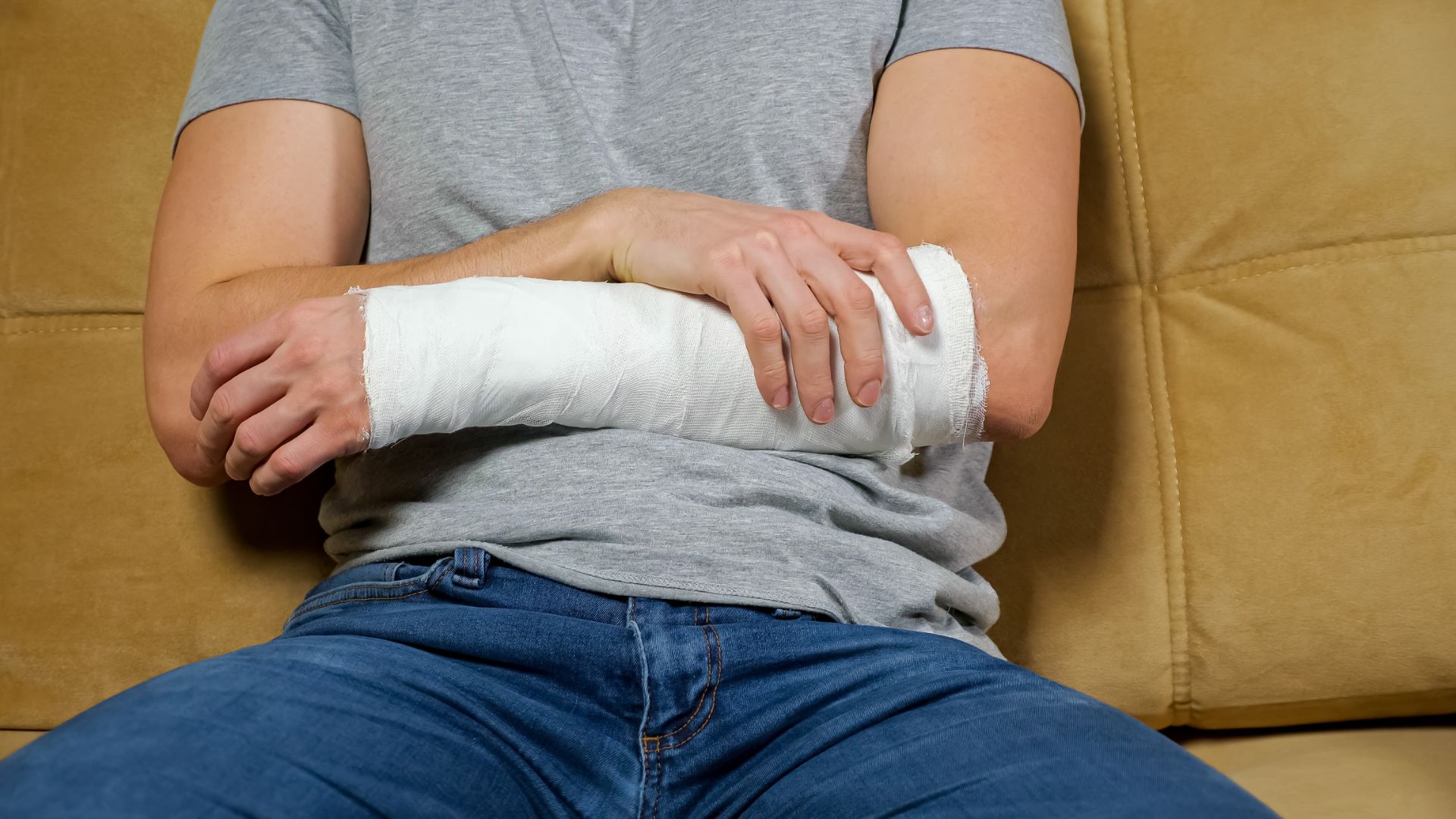
Pedestrians frequently suffer fractures when struck by vehicles or thrown onto the roadway. Arms, legs, hips, ribs, pelvis, and shoulders commonly sustain serious orthopedic injuries requiring surgery or extended rehabilitation. Recovery often involves immobilization, physical therapy, and ongoing follow-up care. Some fractures result in permanent limitations or chronic pain. Thorough treatment supports the best possible recovery.
Leg and Hip Fractures
Lower extremity injuries frequently occur because the legs often absorb the initial force of impact. Broken femurs, knees, ankles, and hips may require surgical repair followed by months of rehabilitation. These injuries often affect mobility long after the accident. Consistent therapy helps improve strength and function.
Mobility May Be Limited During Recovery
Walking, climbing stairs, and performing everyday tasks may become difficult after serious leg injuries. Rehabilitation supports gradual improvement over time.
Arm and Shoulder Injuries
Victims often instinctively extend their arms during a fall, increasing the risk of fractures affecting the wrists, elbows, shoulders, and hands. These injuries may limit a person’s ability to work or perform routine daily activities. Surgical treatment sometimes becomes necessary depending on the fracture pattern. Recovery frequently includes physical or occupational therapy.
Upper Body Injuries Affect Daily Activities
Simple tasks often become challenging during recovery from arm and shoulder injuries. Consistent rehabilitation helps restore strength and movement.
Internal Injuries
The force generated during a pedestrian collision may cause internal bleeding or damage to vital organs without producing immediate external symptoms. These injuries frequently require emergency medical treatment because delays may become life-threatening. Physicians often rely on diagnostic imaging to identify internal trauma following a collision. Early diagnosis significantly improves treatment outcomes.
Internal Bleeding
Internal bleeding may develop after blunt force trauma to the abdomen, chest, or pelvis. Symptoms sometimes include dizziness, weakness, abdominal pain, low blood pressure, or loss of consciousness. Emergency surgery may become necessary depending on the severity of the bleeding. Immediate medical attention remains essential.
Hidden Injuries Require Prompt Evaluation
Internal injuries often remain invisible immediately after a collision. Diagnostic testing helps identify potentially life-threatening conditions.
Organ Damage
The liver, kidneys, spleen, lungs, and other organs may sustain serious injuries during a pedestrian accident. Damage to these organs sometimes requires surgery, hospitalization, and extended recovery periods. Careful monitoring helps prevent additional complications. Comprehensive medical treatment supports the healing process.
Organ Injuries May Require Surgery
Serious internal trauma frequently demands immediate medical intervention. Prompt treatment helps improve recovery outcomes.
Soft Tissue Injuries
Not every pedestrian injury involves broken bones or catastrophic trauma. Damage to muscles, tendons, ligaments, and connective tissues may cause significant pain and long-term physical limitations. Soft tissue injuries often require rehabilitation despite appearing less severe initially. Ongoing treatment frequently improves flexibility and strength during recovery.
Sprains and Ligament Injuries
Sudden impacts often stretch or tear ligaments throughout the body. Victims commonly experience swelling, instability, pain, and reduced range of motion following these injuries. Physical therapy frequently plays an important role during recovery. Early treatment helps minimize long-term complications.
Ligament Damage Can Limit Mobility
Joint stability often depends upon healthy ligaments. Proper rehabilitation supports improved movement and function.
Muscle Strains and Contusions
Direct impact frequently causes muscle bruising, strains, and deep tissue injuries. These conditions may create significant discomfort while limiting normal physical activity. Rest, rehabilitation, and medical supervision often support successful recovery. Healing times vary depending on injury severity.
Recovery Requires Patience
Soft tissue injuries sometimes heal more slowly than expected. Consistent treatment helps support long-term improvement.
Emotional and Psychological Injuries
Pedestrian accidents frequently affect emotional well-being alongside physical health. Many victims experience anxiety, depression, sleep disturbances, or fear of walking near traffic after a serious collision. These psychological injuries may interfere with work, relationships, and everyday activities. Mental health treatment often becomes an important part of overall recovery. Emotional healing deserves the same attention as physical rehabilitation.
Post-Traumatic Stress Symptoms
Some accident victims experience intrusive memories, nightmares, heightened anxiety, or avoidance behaviors following a traumatic collision. These symptoms may continue for months without appropriate treatment. Mental health professionals help patients develop strategies for managing trauma. Early intervention often supports better emotional recovery.
Mental Health Is Part of Recovery
Psychological injuries deserve prompt evaluation and treatment. Emotional well-being remains an important part of long-term healing.
Depression and Anxiety
Serious injuries, financial stress, and changes in daily life sometimes contribute to depression or anxiety following a pedestrian accident. Victims may struggle with uncertainty while adapting to physical limitations during recovery. Counseling and medical treatment often provide valuable support. Addressing emotional challenges helps improve overall quality of life.
Emotional Support Promotes Healing
Recovery involves both physical and emotional progress. Comprehensive care addresses every aspect of a victim’s well-being.
Long-Term Effects of Serious Jackson Pedestrian Injuries
Many pedestrian accident victims continue experiencing physical, emotional, and financial challenges long after the initial collision. Ongoing medical treatment, rehabilitation, permanent disabilities, and reduced earning capacity may affect every aspect of daily life. Understanding the long-term consequences of serious injuries helps individuals prepare for future medical and financial needs. Comprehensive documentation also supports more accurate evaluations of accident-related damages. Long-term planning remains an important part of the recovery process.
Permanent Disabilities
Some injuries permanently affect a person’s ability to work, care for family members, or participate in everyday activities. Long-term limitations may require home modifications, adaptive equipment, or ongoing medical assistance. Careful planning helps address these future needs. Every permanent disability deserves thorough evaluation.
Future Planning Supports Long-Term Stability
Preparing for future medical and financial needs helps injured individuals adapt more successfully. Long-term planning often improves overall quality of life.

What To Expect During a Jackson Pedestrian Accident Investigation
A pedestrian accident investigation often begins immediately after emergency responders arrive at the scene. Investigators work to determine how the collision occurred, identify contributing factors, and establish whether any traffic laws were violated. The information collected during this process may significantly influence insurance claims, liability determinations, and any future legal proceedings. Understanding what to expect during a Jackson pedestrian accident investigation helps injured individuals and their families prepare for each stage of the process. A thorough investigation frequently provides the foundation for pursuing fair compensation after a serious collision.
Law Enforcement Secures the Jackson Accident Scene
Police officers generally arrive shortly after a pedestrian collision to secure the area and protect everyone involved. Their responsibilities include directing traffic, documenting roadway conditions, speaking with witnesses, and ensuring emergency personnel can safely provide medical assistance. Officers also begin collecting evidence that may help determine how the collision occurred. The information gathered during these early stages often becomes an important part of the investigation.
Officers Document Physical Evidence
Investigators carefully examine skid marks, vehicle damage, debris, roadway markings, traffic signals, and other physical evidence at the scene. These observations help establish the sequence of events leading to the collision. Thorough documentation preserves important details before weather, traffic, or cleanup efforts alter the accident scene. Accurate evidence collection strengthens the overall investigation.
Physical Evidence May Disappear Quickly
Roadway evidence often changes within hours of a collision. Prompt documentation helps preserve valuable information before it becomes unavailable.
Emergency Responders Evaluate Injuries
Emergency medical personnel assess injured pedestrians while providing necessary treatment and arranging transportation when appropriate. Medical observations made at the scene often become part of the official documentation. These records may later help establish the connection between the accident and the injuries sustained. Immediate medical evaluations also support ongoing treatment.
Early Medical Documentation Matters
Prompt medical records frequently become valuable evidence during insurance claims. Early evaluations also help identify injuries requiring immediate treatment.
Investigators Gather Witness Statements
Witnesses often provide valuable information regarding what occurred before, during, and after a pedestrian collision. Investigators speak with individuals who observed the accident while recording their recollections as accurately as possible. Independent witness testimony frequently supports physical evidence and surveillance footage. Reliable statements help investigators develop a more complete understanding of the collision.
Interviewing Independent Witnesses
Investigators attempt to identify people who observed the collision from different locations. Witnesses may describe vehicle speed, driver behavior, pedestrian movements, traffic signals, and roadway conditions. Comparing multiple statements helps identify consistent facts while resolving conflicting accounts. Thorough interviews strengthen the investigation.
Witnesses Provide Important Perspectives
Independent observations frequently clarify details that physical evidence alone cannot explain. Reliable testimony often supports liability determinations.
Preserving Contact Information
Investigators collect names, phone numbers, and other contact information from witnesses before they leave the scene. Maintaining accurate records allows follow-up interviews if additional questions arise later. Witnesses may remember additional details after reflecting on the incident. Continued communication sometimes strengthens the investigation.
Follow-Up Interviews May Be Necessary
Additional conversations sometimes reveal important information overlooked during the initial investigation. Accurate records make future communication possible.
Reviewing Surveillance and Video Footage
Many pedestrian accidents occur near businesses, intersections, schools, or residential neighborhoods equipped with surveillance cameras. Investigators search for available recordings while requesting that footage be preserved before routine deletion occurs. Video evidence frequently provides objective information regarding vehicle speed, driver actions, pedestrian movements, and traffic signal changes. These recordings often become valuable pieces of evidence.
Examining Traffic Camera Recordings
Traffic cameras positioned at busy intersections may capture important moments leading to a pedestrian collision. Investigators review available footage while comparing it with witness statements and physical evidence. Video recordings often help establish timelines and clarify disputed facts. Objective footage strengthens liability evaluations.
Video Helps Confirm Important Details
Camera recordings frequently support observations made by witnesses and investigators. Multiple sources of evidence improve the accuracy of the investigation.
Looking for Private Security Cameras
Businesses and nearby homes sometimes maintain security systems that record surrounding streets and sidewalks. These cameras may capture valuable evidence unavailable from public traffic cameras. Investigators work quickly to identify these recording sources before footage is overwritten. Early action often preserves critical evidence.
Nearby Businesses May Have Useful Footage
Private surveillance systems frequently record areas surrounding storefronts and parking lots. These recordings may provide important views of the collision.
Examining the Driver’s Actions
Determining whether driver negligence contributed to the pedestrian accident remains one of the primary goals of the investigation. Investigators evaluate whether speeding, distracted driving, impaired driving, failure to yield, or other traffic violations played a role in the collision. Physical evidence, witness statements, electronic data, and official reports all contribute to this analysis. Thorough investigations help establish responsibility more accurately.
Evaluating Traffic Law Violations
Investigators review whether the driver complied with applicable traffic laws at the time of the collision. Running red lights, failing to stop for pedestrians, speeding, or ignoring crosswalks may all contribute to liability. Official citations and supporting evidence often become important parts of the investigation. Careful analysis helps determine whether negligence occurred.
Traffic Violations May Support Liability
Violating traffic laws frequently provides important evidence during pedestrian accident claims. Every violation deserves careful investigation.
Investigating Possible Driver Impairment
When impairment becomes a concern, investigators review field sobriety testing, chemical test results, officer observations, and witness statements. Alcohol or drug impairment may significantly affect a driver’s judgment, reaction time, and ability to avoid a collision. Thorough investigations evaluate every available source of information. Accurate findings support fair liability determinations.
Impairment Investigations Require Thorough Review
Several types of evidence may help establish impairment. Comprehensive investigations provide the clearest understanding of the circumstances.
Reviewing Medical Documentation
Medical records play an important role throughout a pedestrian accident investigation. Healthcare providers document injuries, treatment plans, diagnostic testing, and anticipated recovery needs. Investigators review these records while evaluating the relationship between the collision and the injuries sustained. Complete documentation helps establish the extent of damages.
Evaluating Injury Severity
Medical documentation helps explain how the collision affected the injured pedestrian physically and financially. Physicians, specialists, therapists, and other healthcare providers contribute valuable information regarding diagnosis and recovery. These records support compensation evaluations while illustrating long-term medical needs. Accurate documentation strengthens the claim.
Medical Records Tell the Recovery Story
Treatment records often demonstrate how injuries progress over time. Complete documentation supports both liability and damages.
Documenting Future Medical Care
Some pedestrian accident victims require ongoing rehabilitation, surgery, therapy, or long-term medical treatment. Investigators review future care recommendations while evaluating anticipated medical expenses. Long-term planning helps create a more accurate assessment of damages. Future treatment frequently represents a significant portion of serious injury claims.
Recovery Often Continues for Months
Serious injuries may require extensive medical care well after the initial accident. Future treatment deserves careful consideration during the investigation.
The Investigation Continues Beyond the Accident Scene
A pedestrian accident investigation rarely ends after the roadway is cleared and vehicles are removed. Investigators continue reviewing evidence, consulting experts, interviewing witnesses, and evaluating medical documentation as additional information becomes available. Every stage of the investigation helps create a more complete understanding of the collision. Thorough preparation strengthens insurance negotiations and potential legal proceedings. Careful investigation ultimately supports a fair evaluation of liability and damages.
Comprehensive Investigations Produce Stronger Results
No single piece of evidence determines the outcome of a pedestrian accident investigation. Multiple sources of information work together to explain how the collision occurred and who may be responsible. Careful analysis often uncovers important details that initially appeared insignificant. Comprehensive investigations provide a stronger foundation for pursuing compensation.
Every Piece of Evidence Has Value
Small details frequently become important during complex pedestrian accident cases. Thorough investigations help ensure no valuable evidence is overlooked.

Contact an Experienced Jackson Pedestrian Crash Lawyer Today
Losing a loved one in a fatal pedestrian accident often leaves families facing uncertainty while trying to navigate difficult legal and financial decisions. Experienced legal representation can help protect your rights while allowing you to focus on your family and the healing process. We explain every stage of the legal process clearly while answering your questions with honest and straightforward guidance. Our team develops personalized legal strategies designed to pursue accountability and meaningful financial recovery based on your family’s unique circumstances. Every client receives dedicated attention, compassionate support, and experienced advocacy from beginning to end.
Bob Germany Law proudly represents injured pedestrians and grieving families throughout Jackson following devastating collisions caused by negligent drivers. We work tirelessly to pursue accountability while seeking compensation that reflects the full impact of our clients’ losses and future needs. Our attorneys remain committed to providing thorough preparation, responsive communication, and aggressive representation throughout every stage of the case. Call us at (601) 812-5524 or reach out online today to schedule your free consultation with an experienced Jackson pedestrian crash lawyer.