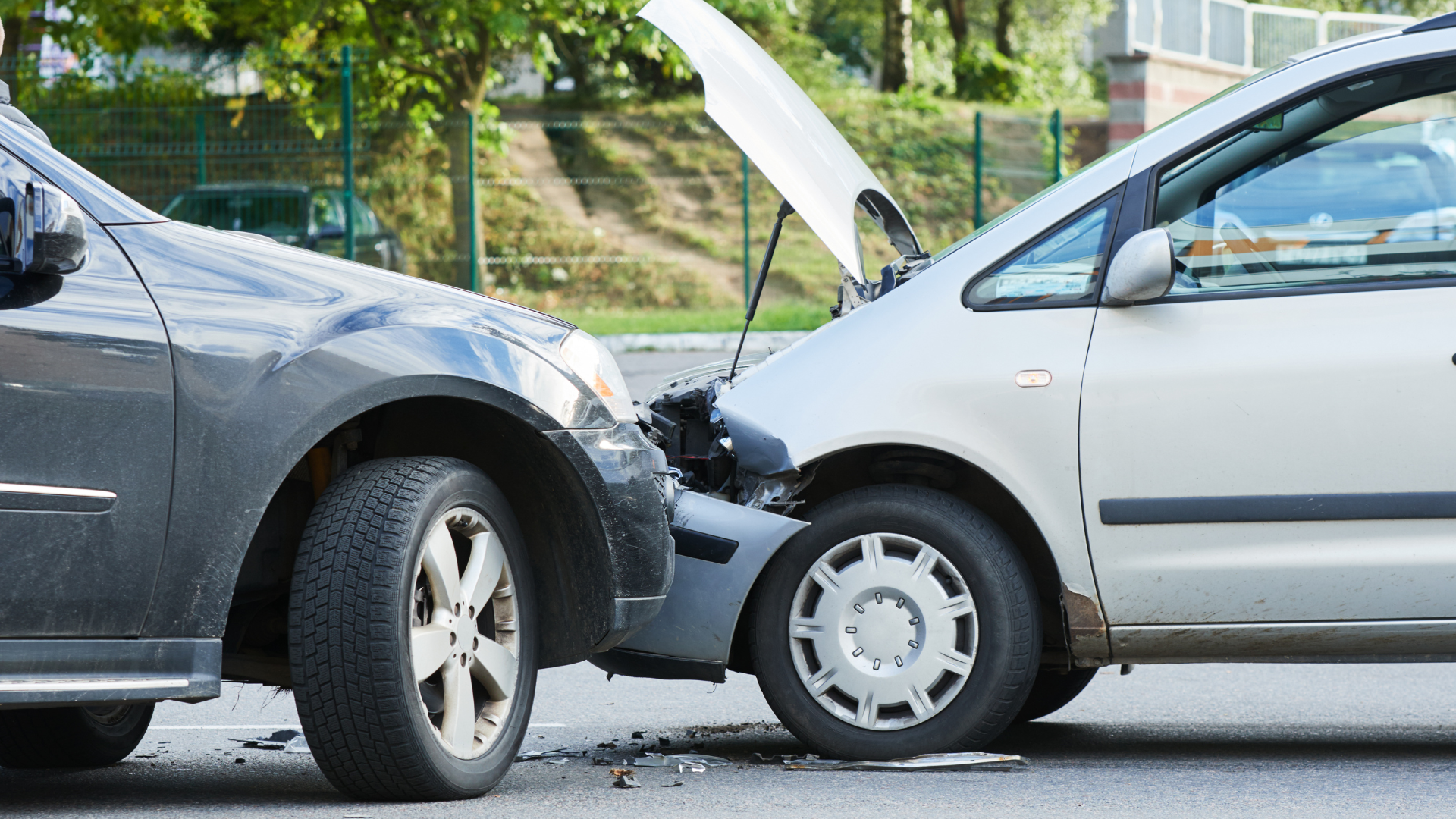
A devastating head-on Raymond crash on Highway 18 left two drivers dead following an early morning collision, according to WLBT. Authorities reported that the crash involved two vehicles traveling in opposite directions before colliding head-on, which often results in severe or fatal injuries due to the force of impact. Emergency responders arrived quickly, but both drivers sustained critical injuries, and the incident resulted in multiple fatalities. A passenger in one of the vehicles was also injured and transported for medical care. Investigators continue examining the cause of the crash as they work to determine what factors contributed to this tragic event.
In the aftermath of a fatal accident, families often face overwhelming grief, financial uncertainty, and complex legal questions about what steps to take next. At Bob Germany Law, we understand how difficult this time can be while you try to cope with a sudden loss and protect your family’s future. We work closely with clients to investigate the crash, identify responsible parties, and pursue compensation that reflects both financial and emotional damages. Our team provides clear guidance and consistent support throughout every stage of the legal process. If your family has been affected by a similar head-on Raymond crash, call us at (601) 812-5524 today to discuss your options.

Why Legal Representation Matters After a Raymond Head-On Crash
At Bob Germany Law, we understand how a head-on Raymond crash can create complex legal challenges that require immediate attention and a strategic approach. We work closely with families to investigate the circumstances of the collision, gather critical evidence, and build a strong claim that supports accountability and financial recovery. Our team handles communication with insurance companies to prevent tactics that could reduce the value of your claim while ensuring that all damages receive proper consideration. We remain committed to protecting your rights and helping you pursue compensation that reflects the full impact of your loss. With our support, you can focus on your family while we manage the legal process.
We also prioritize clear communication so you always understand what is happening with your case and what steps come next. Our team evaluates both economic damages, such as lost income and expenses, and non-economic damages, including emotional suffering and loss of companionship. We negotiate aggressively with insurers while preparing for litigation when necessary to secure a fair outcome. Throughout the process, we provide personalized support that helps reduce stress during a difficult time. When you work with us, you gain a dedicated legal team focused on achieving meaningful results.

What to Do After a Head-On Raymond Crash
Taking the right steps after a head-on Raymond crash can significantly impact both your physical recovery and your ability to pursue compensation. The aftermath of a high-impact collision often feels overwhelming, yet clear and intentional actions help protect your health and legal rights. Head-on crashes frequently result in serious injuries, which makes early decisions especially important for long-term outcomes. Acting quickly while staying organized ensures that critical evidence remains preserved and accurate. A structured response allows individuals to move forward with greater confidence during a difficult situation.
Prioritizing Safety and Immediate Response
Safety remains the first priority after a head-on collision, particularly when severe injuries and hazardous roadway conditions are involved. Taking immediate and careful action helps prevent further harm while allowing emergency responders to manage the scene effectively. Individuals should remain aware of traffic and avoid unnecessary movement if injuries appear serious. Coordinating with others at the scene can also help reduce risks for everyone involved. These early steps create a safer environment and support proper documentation.
Checking for Injuries and Calling Emergency Services
Drivers and passengers should assess injuries immediately and contact emergency services to request medical and law enforcement assistance. Prompt response ensures that critical injuries receive attention while creating an official record of the crash. Emergency personnel document key details that later support insurance claims and legal cases. This step also ensures that all individuals receive appropriate care. Early action plays a crucial role in both recovery and case development.
Moving to a Safe Location When Possible
If conditions allow, vehicles should be moved out of active traffic lanes to reduce the risk of additional collisions. Activating hazard lights and using warning signals helps alert other drivers to the situation. Remaining in a secure area allows emergency responders to work more effectively upon arrival. Taking these precautions helps maintain control of the scene. Safety should remain the primary focus during this stage.
Remaining Calm and Avoiding Conflict
Maintaining a calm and composed approach helps prevent misunderstandings or disputes between parties involved in the crash. Emotions may run high after a serious accident, yet avoiding arguments supports clearer communication and accurate reporting. Statements made at the scene may later influence the claim, which makes careful communication important. Allowing law enforcement to assess the situation objectively improves reliability. This approach protects both personal well-being and legal interests.
Gathering Evidence and Documenting the Scene
Collecting evidence immediately after a crash helps preserve important details that support a future claim and clarify how the accident occurred. Evidence gathered at the scene often provides the most accurate representation of events before conditions change or memories fade. Being thorough during this process ensures that no critical information gets overlooked. Proper documentation strengthens both insurance claims and legal proceedings. This step plays a key role in building a strong case.
Taking Photos and Recording Key Details
Photos and videos of the crash scene, vehicle damage, roadway conditions, and surrounding environment provide a clear visual record of the incident. These details may include skid marks, debris, traffic signs, and lighting conditions that could change over time. Recording notes about weather, traffic flow, and any unusual hazards adds further context. This documentation helps reconstruct the events leading up to the collision. Accurate records improve the overall strength of the claim.
Collecting Witness Information
Witnesses may provide valuable insight into how the crash occurred and help confirm key details that may not be immediately clear. Gathering their contact information ensures that their statements remain available for follow-up if needed. Their perspectives can help resolve conflicting accounts and support liability determinations. Acting quickly helps preserve this information. Witness input adds credibility and depth to the case.
Preserving Physical Evidence
Physical evidence such as vehicle damage, debris, and roadway markings can provide important clues about how the crash occurred. These elements should remain undisturbed whenever possible until properly documented. Preserving this evidence allows investigators to analyze impact points and contributing factors more accurately. This step strengthens both liability determinations and legal claims. Careful handling ensures that important details remain intact.
Seeking Medical Attention and Ongoing Care
Medical evaluation remains essential even when injuries do not appear immediately after a crash, as some conditions develop over time. Seeking prompt medical attention ensures that injuries receive proper diagnosis and treatment while creating documentation that supports a claim. Consistent follow-up care helps track recovery and identify complications. Medical records play a critical role in connecting injuries directly to the accident. Prioritizing health supports both recovery and legal outcomes.
Immediate Medical Evaluation
Visiting a medical professional as soon as possible ensures that injuries receive proper assessment and treatment from the beginning. Even minor symptoms should receive attention, as some injuries may worsen without early intervention. Medical records created during this visit establish a clear link between the crash and the injuries sustained. This documentation becomes essential when pursuing compensation. Early evaluation protects long-term health.
Following Up on Treatment and Recovery
Ongoing medical care helps track recovery progress and ensures that all injuries receive appropriate attention over time. Follow-up visits, therapy sessions, and additional evaluations provide a complete picture of how the injuries affect daily life. Consistent documentation strengthens the claim by showing long-term impact. This process supports both recovery and compensation. Maintaining treatment remains essential.
Monitoring for Delayed Injuries
Some injuries, including internal damage or head trauma, may not show symptoms immediately after the crash. Monitoring for delayed symptoms helps ensure that these conditions receive proper diagnosis and treatment before they worsen. Reporting new symptoms promptly allows medical providers to adjust care plans accordingly. This step strengthens the connection between the accident and the injuries. Staying attentive supports both health and legal claims.
Protecting Legal Rights and Preparing for a Claim
Taking early steps to protect legal rights ensures that individuals remain in a strong position when pursuing compensation after a head-on Raymond crash. Acting quickly helps preserve evidence, maintain accurate records, and prevent issues that could weaken a claim. Understanding available legal options allows individuals to make informed decisions about how to proceed. Preparation during this stage supports a smoother claims process. A proactive approach improves overall outcomes.
Keeping Organized Documentation
Maintaining organized records of all documents related to the crash helps create a clear and structured claim. This includes medical records, repair estimates, insurance communications, and personal notes about recovery. Keeping everything accessible improves efficiency during negotiations or legal proceedings. Organized documentation ensures that no important detail gets overlooked. This preparation strengthens the case.
Avoiding Early Insurance Mistakes
Insurance companies may request statements or offer early settlements that do not reflect the full extent of damages. Providing incomplete information or accepting quick offers can negatively impact the claim. Taking time to evaluate options and gather evidence helps protect against these risks. Careful communication ensures that all details remain accurate. This approach supports better outcomes.
Acting Within Legal Time Limits
Legal claims must follow specific deadlines, which makes timely action essential after a head-on Raymond crash. Missing these deadlines may prevent the ability to recover compensation. Understanding these time limits helps individuals act with urgency and purpose. Early action ensures compliance with legal requirements. Protecting these rights supports long-term recovery.

Who May Be Liable in a Head-On Raymond Crash
Determining liability in a head-on Raymond crash often requires a detailed evaluation of multiple factors, as these collisions frequently involve severe impact and complex circumstances. While one driver may appear primarily responsible, additional parties may also contribute depending on the situation. Understanding liability helps victims and families pursue compensation more effectively. A comprehensive investigation ensures that all contributing factors receive proper attention. This approach strengthens the overall claim and supports fair outcomes.
Driver Negligence and Fault Determination
Driver negligence remains one of the most common causes of head-on collisions, particularly when a vehicle crosses into oncoming traffic. Attorneys evaluate driver behavior to determine whether actions such as speeding, distraction, or impairment contributed to the crash. Establishing negligence requires careful analysis of evidence and documentation. This process helps identify who failed to exercise reasonable care on the roadway. Accurate fault determination plays a critical role in compensation claims.
Crossing Into Oncoming Traffic
Head-on collisions often occur when a driver drifts or intentionally crosses into opposing lanes, creating a direct and dangerous impact. This behavior may result from distraction, fatigue, or impaired driving. Investigators review physical evidence and witness statements to determine how and why the vehicle entered the wrong lane. Establishing this factor helps assign liability. This remains one of the most critical elements in these cases.
Distracted or Impaired Driving
Drivers who operate vehicles while distracted or under the influence of alcohol or drugs significantly increase the risk of a head-on collision. These behaviors reduce reaction time and impair judgment, which can lead to devastating outcomes. Evidence such as phone records or toxicology reports may support these findings. Identifying impairment strengthens liability claims. This factor plays a major role in many serious crashes.
Speeding and Reckless Behavior
Excessive speed and reckless driving reduce a driver’s ability to maintain control and respond to changing road conditions. These behaviors increase the severity of impact and the likelihood of crossing into opposing lanes. Evaluating speed and driving patterns helps determine how these actions contributed to the crash. This analysis supports stronger claims. Reckless behavior often influences liability outcomes.
Commercial Vehicle and Employer Liability
In some cases, liability may extend beyond individual drivers to include commercial entities or employers.
Employer Responsibility for Drivers
If a driver was operating a vehicle for work purposes, their employer may share liability for the crash. Employers must ensure proper training, supervision, and safe vehicle operation. Failure to meet these responsibilities may result in shared fault. Attorneys review employment records and policies to determine involvement. This evaluation expands potential compensation sources.
Negligence in Commercial Operations
Commercial vehicle accidents may involve additional factors such as improper maintenance, driver fatigue, or failure to follow safety regulations. These issues often require detailed investigation and expert analysis. Identifying these failures helps establish broader liability. This approach strengthens the claim. Commercial involvement adds complexity to cases.
Third-Party and External Liability Factors
Liability may also include third parties whose actions or negligence contributed to the crash.
Vehicle Defects and Manufacturer Responsibility
Defective vehicle components such as brakes, tires, or steering systems can contribute to head-on collisions if they fail during operation. Manufacturers may be held liable if defects played a role in the crash. Attorneys work with experts to evaluate vehicle performance and identify issues. This analysis supports product liability claims. Including these factors strengthens the case.
Roadway Conditions and Government Responsibility
Poor road design, lack of maintenance, or inadequate signage may contribute to head-on collisions by creating unsafe driving conditions. Government entities responsible for maintaining roadways may be held liable if negligence played a role. Attorneys review maintenance records and design plans to evaluate these factors. This investigation helps identify additional liability. Road conditions often influence crash outcomes.
Actions of Other Drivers Without Direct Contact
In some cases, another driver may contribute to a crash without making direct contact by forcing a vehicle into oncoming traffic. Sudden lane changes, unsafe passing, or aggressive driving can create dangerous situations. Investigating these actions helps determine whether additional parties share responsibility. This factor adds complexity to liability determinations. Identifying these contributions strengthens claims.