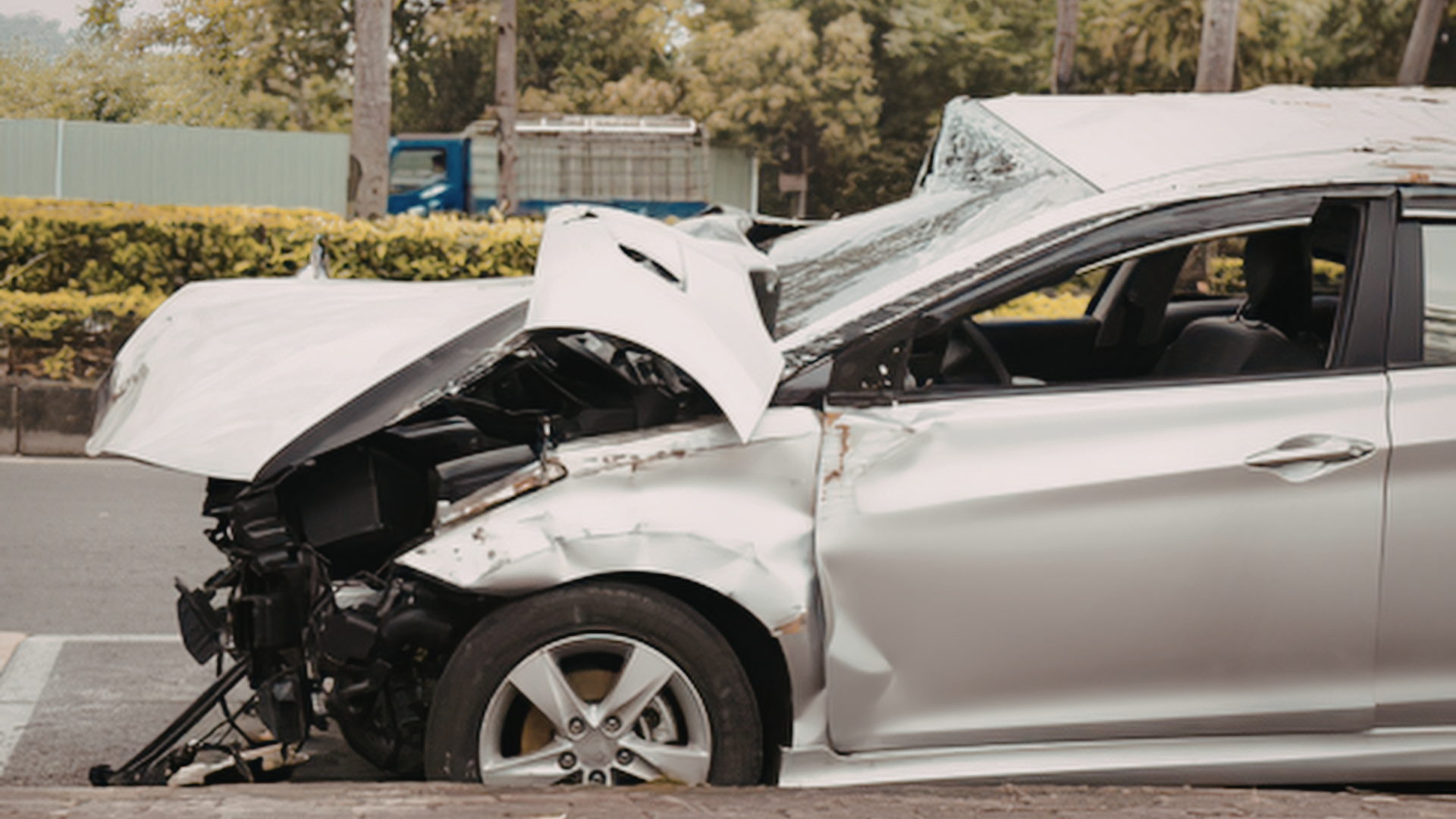
A single-vehicle East Jackson crash on I-55 is under investigation by Capitol Police, according to WLBT. Authorities responded to the scene to assess the situation and determine what factors may have contributed to the incident. Crashes involving only one vehicle can still involve serious injuries and complex circumstances, including road conditions or mechanical issues. Incidents like this highlight how quickly a routine drive can turn into a dangerous and life-altering event.
After a crash like this, victims often deal with medical concerns, vehicle damage, and uncertainty about what caused the accident. Many individuals may not realize that even a single-vehicle accident can involve liability beyond the driver, such as unsafe road conditions or defective vehicle components. At Bob Germany Law, we help individuals understand their rights and explore every possible avenue for compensation. If you or a loved one has been affected by a serious crash, call us at (601) 812-5524 today to discuss your situation.

Why Legal Representation Matters After a Single-Vehicle Crash in East Jackson
At Bob Germany Law, we understand how a single-vehicle East Jackson crash can create unexpected challenges that affect your health, finances, and overall well-being. We work closely with our clients to investigate the cause of the accident, gather critical evidence, and identify all potential sources of liability. Our team focuses on building strong claims that reflect the full extent of your injuries and losses. With our support, you can focus on recovery while we handle the legal process.
Additionally, we recognize that insurance companies may attempt to limit compensation or assume driver fault without fully examining the circumstances. Therefore, we take a proactive approach to protect your interests and ensure that all contributing factors are considered. We remain committed to clear communication and personalized strategies that address your specific needs. By working with us, you gain a dedicated legal team focused on pursuing the compensation you deserve.

Common Causes of a Single-Vehicle East Jackson Crash
Understanding the causes of a single-vehicle East Jackson crash helps explain how these incidents occur and why liability may extend beyond the driver. Many of these crashes result from preventable factors, including unsafe driving behavior or hazardous road conditions. Identifying the root cause plays a key role in determining responsibility and pursuing compensation. A clear understanding of these causes supports both safer driving and stronger claims.
Road Hazards and Unsafe Conditions
Road conditions often contribute to single-vehicle crashes, especially when hazards create unexpected driving challenges. Issues such as potholes, uneven pavement, or debris can cause drivers to lose control. Poorly maintained roads may increase the risk of accidents in high-traffic areas. Addressing these hazards remains important for preventing crashes.
Poor Road Maintenance
Neglected road surfaces can create dangerous driving conditions that lead to sudden loss of control. Potholes or damaged pavement may force drivers to react quickly, increasing the risk of an accident. These conditions may involve liability beyond the driver. Proper maintenance plays a critical role in road safety.
Debris and Obstructions
Objects left on the roadway can create unexpected obstacles that drivers must avoid quickly. Swerving to avoid debris may result in a crash if control is lost. These situations often occur without warning. Awareness and proper roadway management help reduce these risks.
Speeding and Loss of Control
Excessive speed remains a common factor in many single-vehicle crashes. Driving too fast reduces reaction time and makes it more difficult to respond to sudden changes. This can lead to loss of control, especially on curves or uneven roads. Maintaining safe speeds helps prevent these incidents.
Reduced Reaction Time
Higher speeds limit the time available to respond to hazards or changes in traffic conditions. Drivers may not be able to brake or steer effectively in time to avoid danger. This often leads to serious accidents. Slower speeds improve control and safety.
Increased Impact Severity
When crashes occur at high speeds, the force of impact tends to be greater, which increases the risk of injury. This can result in more severe damage and longer recovery periods. Managing speed helps reduce both the likelihood and severity of crashes. Responsible driving remains essential.
Distracted Driving and Inattention
Distractions can take a driver’s attention away from the road and increase the likelihood of a crash. Activities such as using a phone, adjusting controls, or interacting with passengers can reduce focus. Even brief distractions can have serious consequences. Staying attentive helps prevent accidents.
Mobile Device Use
Using a phone while driving significantly increases the risk of a crash. Drivers who look away from the road may miss important changes in traffic or road conditions. This delay can lead to loss of control. Avoiding device use helps maintain focus.
Other Forms of Distraction
Additional distractions such as eating, adjusting the radio, or engaging in conversations can also reduce attention. These activities limit awareness during critical moments. Eliminating distractions improves driving safety. Full attention helps prevent accidents.
Weather and Environmental Conditions
Weather conditions can create hazardous driving environments that contribute to single-vehicle crashes. Rain, fog, and other conditions may reduce visibility and traction. Drivers must adjust their behavior to match these conditions. Awareness helps reduce risks.
Reduced Visibility
Fog, rain, or darkness can make it difficult to see the road clearly. Limited visibility increases the chance of missing hazards or changes in conditions. Drivers must remain cautious in these situations. Adjusting speed improves safety.
Slippery Road Surfaces
Wet or slick roads reduce traction and make it harder to control a vehicle. This increases the likelihood of skidding or losing control. Proper driving adjustments help reduce these risks. Careful driving supports safer conditions.
Injuries Commonly Reported After a Single-Vehicle East Jackson Crash
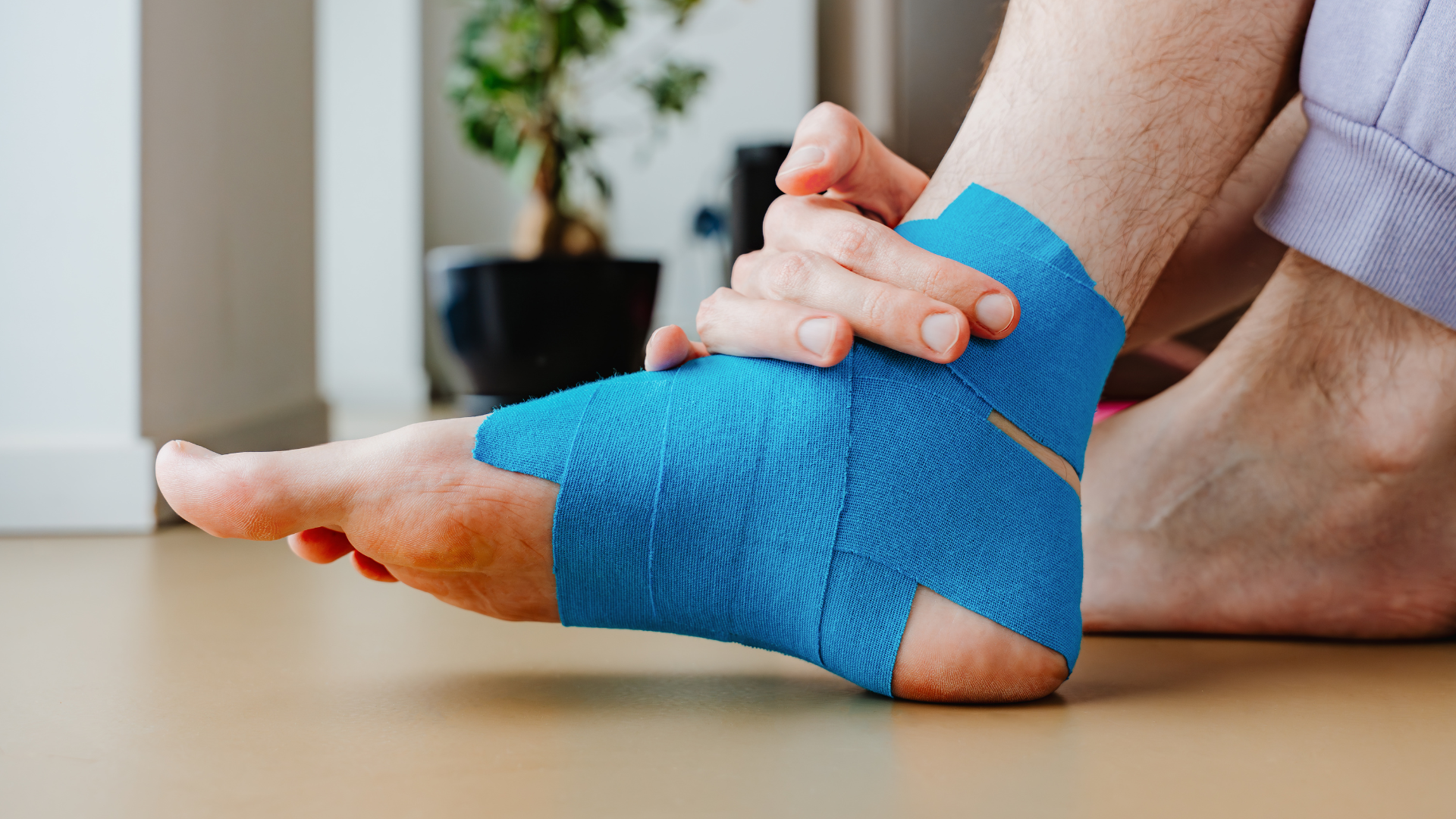
A single-vehicle East Jackson crash can result in serious injuries, especially when the impact involves high speeds or sudden force. Victims may experience both immediate physical harm and long-term health complications. Understanding these injuries highlights the importance of prompt medical care and thorough documentation. Early treatment can improve recovery outcomes.
Head Injuries and Traumatic Brain Injuries
Head injuries are among the most serious outcomes of car crashes and may have lasting effects on cognitive function. These injuries can occur when the head strikes an object or experiences sudden movement. Symptoms may vary depending on severity. Immediate medical attention is essential.
Concussions and Mild Brain Injuries
Concussions may cause symptoms such as headaches, dizziness, and difficulty concentrating. These effects may not appear immediately after the crash. Monitoring symptoms helps ensure proper care. Early treatment supports recovery.
Severe Brain Trauma
More serious brain injuries can result in long-term impairments that affect daily life. Victims may require extensive treatment and rehabilitation. These injuries often have lasting consequences. Prompt diagnosis improves outcomes.
Fractures and Orthopedic Injuries
Broken bones and orthopedic injuries frequently occur in single-vehicle crashes due to the force of impact. These injuries may involve arms, legs, ribs, or other areas of the body. Recovery often requires medical treatment and rehabilitation. Proper care supports healing.
Common Bone Fractures
Fractures can result from direct impact or pressure during a crash. These injuries may limit mobility and require extended recovery time. Medical care helps restore function. Early treatment improves outcomes.
Long-Term Mobility Issues
Some orthopedic injuries lead to lasting limitations that affect daily activities. Victims may require ongoing therapy or support. These challenges can impact quality of life. Addressing them early helps improve recovery.
Spinal Injuries and Back Trauma
Spinal injuries can have serious consequences, including long-term mobility issues or permanent damage. These injuries often result from high-impact collisions. Damage to the spine can affect movement and sensation. Immediate care is critical.
Herniated Discs and Back Strain
Less severe spinal injuries may include disc damage or muscle strain. These conditions can cause pain and limited mobility. Treatment may involve therapy or medication. Early care helps manage symptoms.
Severe Spinal Cord Damage
More serious injuries may result in long-term disability or loss of function. Victims may require extensive medical care and support. These injuries significantly affect daily life. Comprehensive treatment remains essential.
Internal Injuries and Hidden Trauma
Internal injuries may not be immediately visible but can pose serious health risks if left untreated. These injuries often involve organs or internal bleeding. Early detection is important for proper treatment. Prompt care helps prevent complications.
Organ Damage
Impact during a crash can cause damage to internal organs, which may require immediate medical attention. These injuries can worsen without treatment. Monitoring symptoms helps identify issues early. Medical care supports recovery.
Internal Bleeding Risks
Internal bleeding may not show obvious signs but can become life-threatening if untreated. Symptoms may develop over time. Seeking medical evaluation ensures proper diagnosis. Early intervention improves outcomes.

What to Do Immediately After a Single-Vehicle East Jackson Crash
After a single-vehicle East Jackson crash, taking the right steps can protect your health and strengthen your legal position. Many individuals feel overwhelmed in the moment, which makes preparation important. Acting quickly helps preserve evidence and ensures proper care. These steps can influence both recovery and claims.
Seek Medical Attention and Ensure Safety
Your health should remain the top priority after any crash, regardless of how minor injuries may appear initially. Medical professionals can identify hidden conditions and begin treatment promptly. Early care helps prevent complications and creates important records. Prompt action supports recovery.
Follow Medical Recommendations
After receiving care, it is important to follow all treatment plans and attend appointments. Consistent care helps document injuries and supports healing. Skipping treatment can weaken your claim. Staying committed improves outcomes.
Monitor for Delayed Symptoms
Some injuries may develop hours or days after the crash. Monitoring your condition helps ensure proper diagnosis and treatment. Seeking follow-up care prevents complications. Early attention supports recovery.
Document the Scene and Gather Evidence
Collecting evidence at the scene helps clarify how the crash occurred and supports your claim. Photos, notes, and contact information all contribute to a stronger case. Accurate documentation provides valuable support. This step remains essential.
Take Photos and Record Details
Photographs of the scene, vehicle damage, and surroundings provide important visual evidence. Recording details such as time and conditions adds context. These records help recreate the crash later. Thorough documentation strengthens your case.
Keep Records of the Incident
Maintaining notes about the crash helps preserve important details that may be forgotten over time. These notes can support your version of events. Organized records improve clarity. This information helps build your claim.
Report the Crash and Communicate Carefully
Reporting the accident ensures that an official record exists to support your claim. Law enforcement documentation helps establish facts and determine causes. You should also notify your insurance provider promptly. Clear communication protects your interests.
Provide Accurate Information
When speaking with authorities or insurers, focus on sharing clear and factual information. Avoid speculation or assumptions about fault. Accurate statements help prevent misunderstandings. Careful communication supports your case.
Keep Track of Communications
Maintaining records of conversations with insurers and others involved helps track your claim. These records provide valuable documentation if disputes arise. Organized information supports stronger claims. Keeping details helps avoid confusion.

How Liability Is Determined in a Single-Vehicle East Jackson Crash
Determining liability in a single-vehicle East Jackson crash often requires a detailed and methodical investigation into all contributing factors. While these crashes may initially appear straightforward, responsibility can extend beyond the driver to include third parties or external conditions. A thorough legal analysis helps uncover hidden causes and ensures that all liable parties are identified. Understanding how liability is evaluated plays a critical role in building a strong and successful claim.
Evaluating Driver Responsibility
Driver behavior remains one of the primary factors considered when determining fault in a single-vehicle crash. Actions such as speeding, distraction, fatigue, or impairment can significantly influence the outcome of the investigation. Attorneys and investigators carefully review these behaviors to determine whether they contributed to the accident. A detailed evaluation ensures that responsibility is assigned accurately.
Assessing Driving Behavior at the Time of the Crash
Investigators analyze how the driver responded to road conditions, traffic patterns, and potential hazards leading up to the crash. This includes reviewing whether the driver maintained control of the vehicle and followed traffic laws. These observations help establish whether negligence played a role. Careful analysis supports accurate liability determinations.
Reviewing Speed and Reaction Time Factors
Speed often plays a critical role in single-vehicle crashes, particularly when drivers fail to adjust to road or weather conditions. Investigators evaluate whether excessive speed reduced the driver’s ability to react safely. Reaction time and braking patterns also provide insight into driver behavior. These details help clarify the sequence of events.
Identifying Signs of Distraction or Impairment
Distractions such as mobile device use or inattention can contribute to loss of control in a crash. Investigators also consider whether alcohol or drugs may have impaired the driver’s judgment. These factors can significantly impact liability findings. Identifying them ensures a more complete evaluation.
Identifying Third-Party Liability
In many single-vehicle East Jackson crash cases, liability may extend beyond the driver to include outside parties that contributed to unsafe conditions. These parties may include government agencies, contractors, or manufacturers responsible for maintaining safe environments. Identifying third-party liability helps ensure that all responsible entities are held accountable. A comprehensive review strengthens the claim.
Road Design and Maintenance Issues
Poor road design or inadequate maintenance can create hazardous conditions that lead to accidents. Issues such as potholes, uneven pavement, or lack of proper signage may contribute to a crash. Government entities responsible for road upkeep may be held liable in these situations. Evaluating these conditions helps determine responsibility accurately.
Construction Zone and Contractor Negligence
Construction zones can introduce additional risks when safety measures are not properly implemented. Missing warnings, poorly placed barriers, or unsafe layouts may contribute to accidents. Contractors responsible for these areas may share liability if negligence is involved. Careful investigation helps uncover these factors.
Vehicle Defects and Mechanical Failures
Mechanical issues such as brake failure, tire defects, or steering malfunctions can play a significant role in single-vehicle crashes. In these cases, manufacturers or maintenance providers may be responsible for the failure. Identifying defects requires detailed inspection and expert analysis. This evaluation ensures that all contributing causes are considered.
Using Evidence to Establish Fault
Evidence remains the foundation of any liability determination in a single-vehicle crash case. Investigators rely on multiple forms of documentation to build a clear and accurate picture of what occurred. Strong evidence helps resolve disputes and supports fair compensation. A well-documented case improves the likelihood of a favorable outcome.
Reviewing Police Reports and Official Records
Police reports provide initial findings, including officer observations, road conditions, and statements from those involved. These records help establish a timeline and identify potential contributing factors. Attorneys use this information as a starting point for further investigation. Accurate documentation strengthens the case.
Analyzing Photographic and Video Evidence
Photos and videos from the crash scene offer valuable visual context that supports liability analysis. These materials may show vehicle damage, road hazards, and environmental conditions. Reviewing this evidence helps clarify how the accident occurred. Visual documentation adds strong support to the claim.
Examining Vehicle Damage and Impact Points
The location and severity of vehicle damage can reveal important details about how the crash unfolded. Investigators analyze impact points to determine direction, speed, and force. This information helps reconstruct the sequence of events. Detailed analysis strengthens liability findings.
Incorporating Expert Analysis and Reconstruction
In complex cases, expert analysis provides additional insight into how the crash occurred and who may be responsible. Specialists use technical methods to evaluate evidence and reconstruct the accident. Their findings help clarify difficult or disputed details. Expert input adds credibility and depth to the case.
Accident Reconstruction Techniques
Reconstruction experts analyze skid marks, vehicle damage, and road conditions to recreate the crash scenario. This process helps determine speed, timing, and contributing factors. Their analysis provides a clearer understanding of the incident. Accurate reconstruction supports strong claims.
Mechanical and Engineering Evaluations
Engineers and mechanical experts may examine the vehicle to identify defects or failures that contributed to the crash. These evaluations help determine whether a mechanical issue played a role. Identifying such problems can shift liability to manufacturers or service providers. Technical analysis strengthens the overall case.
Addressing Comparative Fault Considerations
Mississippi follows a comparative fault system, which means that responsibility may be shared among multiple parties involved in a crash. Even in single-vehicle accidents, the driver may share fault with other entities such as government agencies or manufacturers. Understanding how comparative fault applies helps determine how compensation is calculated. Accurate assessment ensures fair outcomes.
Reducing Assigned Fault Through Evidence
Attorneys work to minimize the percentage of fault assigned to their client by presenting strong supporting evidence. This may include documentation of hazardous conditions or third-party negligence. Reducing fault can significantly increase potential compensation. Careful strategy protects the client’s interests.
Evaluating Multiple Contributing Factors
Single-vehicle crashes often result from a combination of factors rather than a single cause. Investigators consider how each element contributed to the accident. This comprehensive approach ensures that liability is distributed fairly. Thorough evaluation supports a balanced outcome.
Building a Strong Liability Argument
Establishing liability requires more than identifying causes, as it also involves presenting a clear and persuasive argument supported by evidence. Attorneys organize findings into a structured case that demonstrates responsibility and damages. This process helps strengthen negotiations and potential litigation outcomes. A well-prepared argument increases the likelihood of success.
Organizing Evidence Into a Clear Narrative
Attorneys compile all evidence into a cohesive timeline that explains how the crash occurred and who is responsible. This narrative helps insurers and courts understand the sequence of events. Clarity plays an important role in resolving disputes. Strong presentation supports effective advocacy.
Supporting Claims With Consistent Documentation
Consistency across all forms of evidence strengthens credibility and reinforces liability arguments. Attorneys ensure that reports, statements, and records align with one another. This consistency reduces the risk of challenges from opposing parties. Reliable documentation supports better outcomes.

How Auto Accident Attorneys in Jackson Handle Serious Accidents
After a serious single-vehicle East Jackson crash, victims often face a complicated legal process that involves determining liability, managing insurance claims, and documenting damages. Auto accident attorneys in Jackson provide structured guidance to help individuals navigate these challenges with clarity and confidence. These cases often require careful investigation and strategic planning to ensure fair outcomes. With the right legal support, victims can focus on recovery while their case progresses efficiently.
Conducting a Thorough Accident Investigation
Attorneys begin by investigating the accident to determine what caused the crash and who may be responsible. Even in single-vehicle accidents, factors such as road hazards, mechanical failures, or third-party negligence may play a role. A detailed investigation helps uncover critical information that supports a strong claim. This process forms the foundation for establishing liability.
Examining Scene Evidence and Reports
Attorneys review police reports, photos, and physical evidence from the crash scene to understand what occurred. These details help clarify road conditions, vehicle positioning, and potential hazards. Accurate documentation strengthens the overall case. Consistent evidence supports clear conclusions.
Identifying Contributing Factors
Beyond driver actions, attorneys evaluate external factors such as road design, signage, or vehicle defects that may have contributed to the crash. This broader approach ensures that all potential causes are considered. Identifying these factors can reveal additional sources of liability. A thorough review strengthens the claim.
Determining Liability in Complex Cases
Liability in serious accidents can extend beyond a single driver, especially when outside conditions contribute to the crash. Attorneys analyze evidence to determine who may be responsible and how fault should be assigned. This step plays a key role in securing compensation. Clear liability assessment supports stronger claims.
Evaluating Third-Party Responsibility
In some cases, government entities, contractors, or manufacturers may share responsibility for unsafe conditions or defective components. Attorneys investigate whether these parties contributed to the accident. Holding all responsible parties accountable increases the chances of full compensation. A complete evaluation ensures no detail is overlooked.
Addressing Comparative Fault Issues
Mississippi follows a comparative fault system, which means fault may be shared among multiple parties. Attorneys work to minimize their client’s percentage of fault by presenting strong supporting evidence. This directly affects the amount of compensation recovered. Careful analysis protects the client’s interests.
Managing Insurance Claims and Negotiations
Insurance companies often attempt to limit payouts, especially in serious accident cases involving high damages. Attorneys handle all communication with insurers to protect clients from common tactics and pressure. This allows victims to focus on recovery instead of dealing with negotiations. Proper management helps ensure fair outcomes.
Handling Adjuster Communications
Insurance adjusters may request statements or documentation that could impact the claim. Attorneys guide clients on how to respond and ensure that all information remains accurate and consistent. This approach prevents misunderstandings that could weaken the case. Careful communication protects the claim.
Negotiating Fair Settlements
Attorneys evaluate the full value of the claim before entering settlement discussions with insurers. They present detailed evidence to support compensation for medical expenses, lost income, and other damages. Strong negotiation strategies often lead to better results. Preparation strengthens the client’s position.
Building a Comprehensive Damages Claim
A successful claim must reflect the full impact of the accident on the victim’s life, including both financial and personal losses. Attorneys gather documentation to demonstrate the extent of damages and ensure that nothing is overlooked. This comprehensive approach supports stronger outcomes. Detailed claims improve compensation potential.
Documenting Medical and Financial Losses
Attorneys collect medical records, bills, and employment documentation to establish the connection between the crash and resulting losses. This evidence helps quantify damages accurately. Organized records strengthen the claim during negotiations. Clear documentation remains essential.
Evaluating Long-Term Effects
Serious accidents often result in long-term medical needs or reduced earning capacity. Attorneys consider these future impacts when calculating damages to ensure fair compensation. This forward-looking approach helps prevent financial hardship later. Addressing long-term effects supports full recovery.
Preparing for Litigation When Necessary
While many cases settle outside of court, some require litigation to achieve a fair resolution. Attorneys prepare each case thoroughly in case it proceeds to trial. This preparation strengthens the overall strategy and demonstrates readiness. Being prepared helps protect the client’s interests.
Filing Legal Documents and Meeting Deadlines
Attorneys handle all required filings and ensure compliance with legal deadlines throughout the process. Proper documentation keeps the case organized and moving forward without delays. Missing deadlines can weaken a claim. Attention to detail remains critical.
Representing Clients in Court
If a case goes to trial, attorneys present evidence, question witnesses, and advocate on behalf of their clients. Their goal involves clearly demonstrating liability and damages. Strong courtroom advocacy can influence the final outcome. Effective representation supports fair results.
Providing Ongoing Support and Communication
Throughout the legal process, attorneys maintain consistent communication to keep clients informed and supported. Regular updates help reduce uncertainty and ensure that clients understand what to expect next. This support creates a more manageable experience during a difficult time. Clear communication builds trust.
Keeping Clients Informed
Attorneys provide updates on case progress, negotiations, and any developments that may affect the outcome. Staying informed allows clients to make confident decisions throughout the process. Transparency helps prevent confusion. Consistent updates improve clarity.
Guiding Clients Through Key Decisions
Clients often face important decisions regarding settlement offers or legal strategies during their case. Attorneys provide guidance based on experience and the specific details of the claim. This support ensures that decisions align with long-term goals. Trusted advice makes the process more manageable.

Contact a Dedicated Jackson Car Crash Lawyer Today
Taking action after a serious single-vehicle East Jackson crash can help preserve important evidence and strengthen your ability to pursue compensation. An experienced attorney can evaluate your case, explain your options, and guide you through each stage of the legal process with clarity. Early legal involvement helps ensure that your claim reflects both immediate and long-term damages. With the right guidance, you can move forward with greater confidence during a difficult time.
Every case involves unique circumstances that require careful attention and a thoughtful legal strategy focused on your recovery and financial stability. Having a knowledgeable advocate on your side helps reduce stress while ensuring that your rights remain protected throughout the process. You deserve clear answers and strong representation as you navigate the aftermath of a serious accident. Call us at (601) 812-5524 today or reach out online to get started.