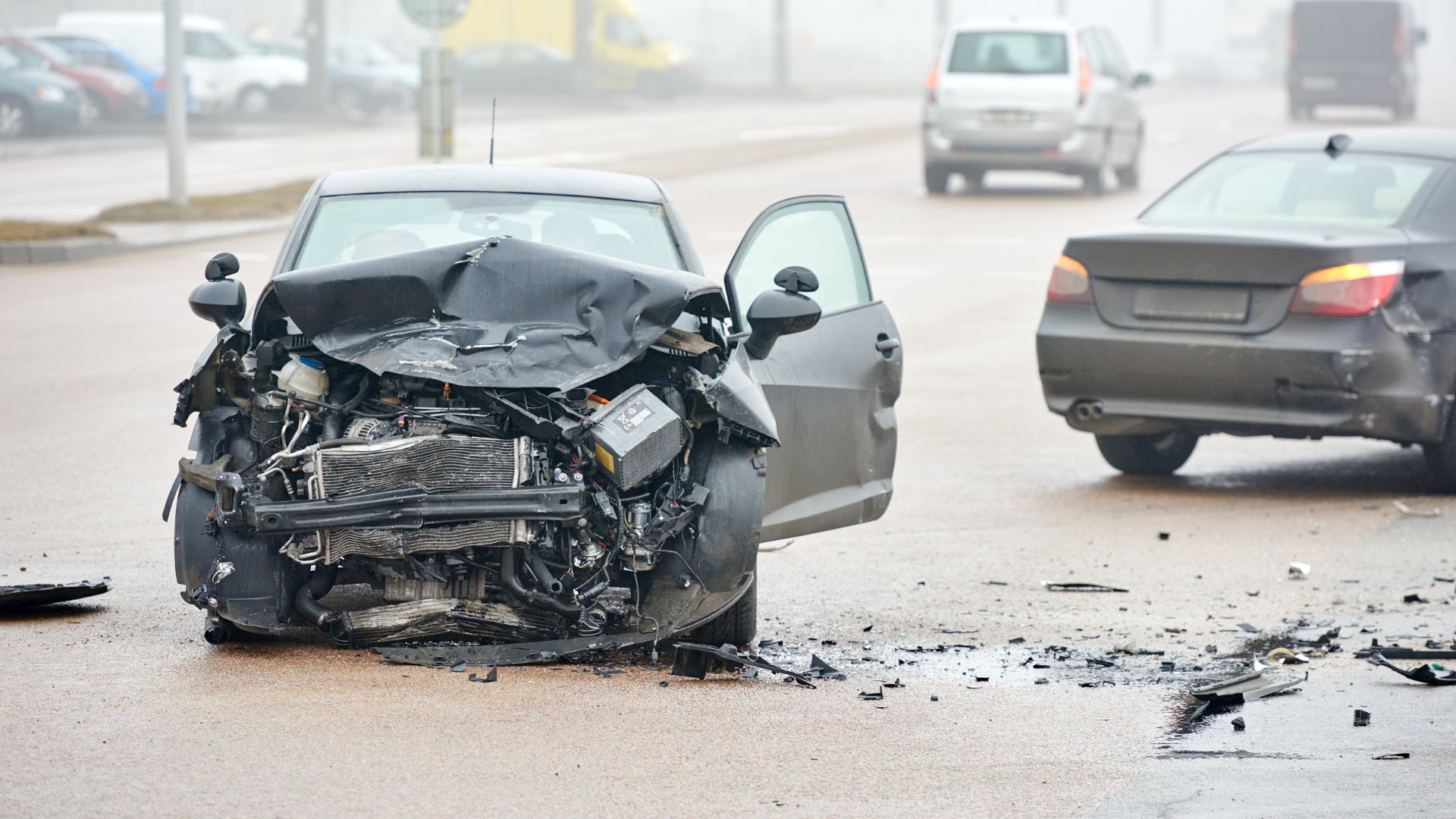
A vehicle flipped off the Interstate 55 bridge near Pearl Street in Jackson the Wednesday before last, prompting an emergency response and temporary traffic disruptions, according to WAPT News. The crash occurred when the car left the roadway and overturned off the bridge, landing below and drawing police, fire crews, and paramedics to the scene. The 17-year-old driver was killed in the crash. Authorities reported that at least one person, a 21-year-old, was injured in the incident and was transported to a nearby hospital for treatment. Portions of the roadway were impacted as first responders worked to secure the area, investigate the cause of the crash, and ensure the scene was cleared safely.
A routine drive can quickly turn dangerous, especially when a vehicle leaves the roadway and overturns from an elevated structure. When crashes involve bridges or overpasses, the risk of severe injuries increases significantly due to height, speed, and limited escape options for drivers. Incidents like this raise important questions about road conditions, driver awareness, and whether environmental or roadway factors played a role in the loss of control. At Bob Germany Law, we understand how frightening and overwhelming crashes involving rollovers and roadway departures can be for injured victims and their families. We work to help individuals understand their legal rights, navigate insurance challenges, and pursue accountability when negligence or unsafe conditions may have contributed to the crash. If you or a loved one has been injured in a serious crash in the Jackson area, call us today at (601) 706-8882 to discuss your options.
Why Legal Representation Matters After a Rollover Jackson Crash
After a rollover Jackson crash, victims are often left facing serious injuries, mounting medical bills, and uncertainty about how the crash occurred and who may be responsible. At Bob Germany Law, we understand that rollover accidents are among the most dangerous types of collisions, frequently involving complex factors such as vehicle stability, roadway conditions, or driver behavior. We work closely with injured individuals and families to help them understand their legal rights, assess the full impact of their injuries, and navigate the challenges that often follow these violent crashes. Our goal is to provide clarity and reassurance during a time when everything can feel overwhelming.
We also recognize that rollover Jackson crash cases require detailed investigation and experienced legal handling to ensure nothing is overlooked. At Bob Germany Law, we focus on reviewing crash reports, examining vehicle damage, and identifying whether negligence, unsafe road design, or other contributing factors played a role. We take on the burden of dealing with insurance companies and complex documentation so our clients can concentrate on recovery and healing. Through dedicated advocacy and personalized attention, we strive to protect our clients’ interests and pursue fair outcomes after serious rollover accidents.
Why Jackson Rollover Crash Claims Are Often More Complex
Jackson rollover crash claims are often more complex than standard car accident cases because they involve unique crash dynamics, severe injuries, and multiple potential contributing factors. Rollovers frequently result from a combination of driver behavior, vehicle characteristics, and roadway conditions rather than a single point of impact. These layers of complexity make determining fault and calculating damages more challenging. Understanding why these claims are different helps explain the need for careful evaluation and thorough investigation.
The Unique Mechanics of Rollover Crashes
Rollover accidents involve forces and movements that differ significantly from typical rear-end or side-impact collisions. Vehicles may roll multiple times, strike fixed objects, or eject occupants. These dynamics complicate both injury analysis and crash reconstruction. Understanding how and why a vehicle rolled is essential.
Multiple Points of Impact and Injury Severity
In a rollover, occupants may experience several impacts as the vehicle overturns. Injuries can occur from contact with the interior, roof crush, or partial ejection. These multiple trauma points make injury assessment more complex. Medical evidence must clearly link injuries to the rollover sequence.
Vehicle Design and Stability Factors
Certain vehicles have higher centers of gravity, increasing rollover risk. Tire condition, suspension issues, and load distribution may also contribute. Evaluating vehicle stability requires technical analysis. These factors can influence liability determinations.
Greater Likelihood of Catastrophic Injuries
Jackson rollover crash claims often involve severe or life-altering injuries. The violent nature of rollovers increases the risk of traumatic brain injuries, spinal damage, and internal trauma. These injuries significantly affect damages calculations. Long-term consequences must be carefully considered.
Long-Term Medical and Rehabilitation Needs
Severe injuries may require surgeries, extended hospital stays, and long-term rehabilitation. Some victims need ongoing care or assistive devices. Estimating future medical needs adds complexity. Accurate projections are essential for fair compensation.
Permanent Disabilities and Lifestyle Changes
Rollover crashes can result in permanent physical limitations. Victims may face reduced mobility, chronic pain, or loss of independence. These changes affect employment and daily life. Claims must reflect these lasting impacts.
Complicated Liability and Fault Issues
Determining fault in a rollover crash is rarely straightforward. Multiple parties may share responsibility. Identifying all contributing factors is critical. Liability analysis often goes beyond driver behavior alone.
Driver Actions Versus External Factors
Speeding, distraction, or overcorrection may contribute to a rollover. However, road defects, poor signage, or debris can also play a role. Separating these causes requires investigation. Fault may be shared among parties.
Potential Third-Party Responsibility
In some cases, liability may extend beyond the driver. Vehicle manufacturers, maintenance providers, or government entities may be involved. Identifying third-party responsibility adds legal complexity. These claims require careful evaluation.
Evidence Challenges in Rollover Crash Cases
Evidence in rollover crashes can be difficult to preserve and interpret. Vehicles may sustain extensive damage, and scenes are often cleared quickly. Early evidence collection is critical. Missing details can weaken claims.
Crash Scene and Vehicle Evidence Preservation
Skid marks, debris patterns, and vehicle resting positions help reconstruct rollovers. This evidence may disappear quickly. Vehicle inspections are often necessary. Preservation supports accurate analysis.
Reliance on Expert Analysis
Rollover cases frequently require expert input. Accident reconstruction specialists help explain how the crash occurred. Medical experts clarify injury causation. Expert opinions strengthen complex claims.
Insurance and Coverage Complications
Insurance issues are often more challenging in rollover crash claims. Severe injuries increase claim values, leading to closer scrutiny by insurers. Coverage disputes may arise. Navigating these issues requires careful handling.
Policy Limits and Serious Injury Claims
Rollover crashes often exceed minimum policy limits. Multiple claims may compete for limited coverage. Understanding policy details is essential. Coverage limits affect recovery options.
Disputes Over Fault and Claim Value
Insurers may argue that driver error caused the rollover. Disputes over fault can delay resolution. Injury severity may also be questioned. Strong evidence helps counter these challenges.
The Impact of Complexity on Case Timelines
Because of these factors, Jackson rollover crash claims often take longer to resolve. Investigations, expert reviews, and negotiations require time. Patience is often necessary. Understanding the process helps manage expectations.
Extended Investigation and Review Periods
Complex claims require detailed analysis before resolution. Gathering records and expert opinions takes time. Thorough preparation supports stronger outcomes. Rushed cases risk undervaluation.
Increased Likelihood of Litigation
When disputes cannot be resolved through negotiation, litigation may be required. Court proceedings add time and complexity. Trial readiness becomes important. Preparation supports accountability.
Why Understanding Complexity Matters for Victims
Recognizing why rollover crash claims are complex helps victims avoid frustration and mistakes. Awareness supports informed decision-making. Preparation improves outcomes. Complexity underscores the importance of careful handling.
Setting Realistic Expectations
Understanding potential delays helps manage stress. Realistic timelines reduce uncertainty. Knowledge empowers victims. Preparation supports patience.
Protecting Rights Through Thorough Action
Complex cases require early and deliberate action. Preserving evidence and meeting deadlines is critical. Awareness protects rights. Careful handling supports fair recovery.
Holding Negligent Parties Accountable After a Jackson Rollover Crash
Holding negligent parties accountable after a Jackson rollover crash is a critical step in helping victims recover physically, financially, and emotionally after a devastating accident. Rollover crashes are rarely unavoidable events and are often caused by preventable mistakes, unsafe conditions, or reckless behavior. Accountability ensures that responsibility is properly assigned and that injured individuals are not left carrying the burden alone. Pursuing accountability also reinforces the importance of safe driving, proper vehicle maintenance, and responsible roadway design.
Identifying Negligence in a Jackson Rollover Crash
Negligence occurs when a party fails to act with reasonable care, leading to a dangerous situation that causes harm. In rollover crashes, negligence may arise from several sources rather than a single error. Identifying these failures is essential for determining responsibility. Clear identification supports fair outcomes.
Driver Negligence and Reckless Behavior
Driver actions such as speeding, distracted driving, impaired driving, or aggressive maneuvers often contribute to rollover crashes. Sudden overcorrection, unsafe lane changes, or failure to adjust to road conditions can cause loss of control. These behaviors increase rollover risk, especially at higher speeds. Establishing driver negligence is often a key component of accountability.
Failure to Adapt to Road or Weather Conditions
Drivers are expected to adjust their behavior based on road, traffic, and weather conditions. Wet pavement, debris, or uneven surfaces increase rollover risk. Failing to slow down or drive cautiously under these conditions may constitute negligence. This failure can directly contribute to a rollover crash.
Holding Multiple Parties Responsible
Jackson rollover crash cases often involve more than one negligent party. Responsibility may extend beyond the driver alone. Identifying all contributing parties ensures accountability is properly distributed. This approach helps protect victims’ rights.
Third-Party Negligence Beyond the Driver
In some cases, vehicle manufacturers, maintenance providers, or cargo loaders may share responsibility. Defective tires, faulty suspension systems, or improper vehicle loading can increase rollover risk. Identifying third-party negligence requires careful investigation. Accountability may extend beyond the vehicle operator.
Government or Roadway Authority Liability
Poor road design, missing guardrails, inadequate signage, or improper maintenance can contribute to rollover crashes. Government entities responsible for roadway safety may be held accountable when unsafe conditions play a role. These claims involve specific legal standards and procedures. Proper evaluation is essential.
Proving Accountability Through Evidence
Evidence plays a central role in holding negligent parties accountable after a Jackson rollover crash. Clear documentation supports liability claims and strengthens legal arguments. Early preservation of evidence is critical. Strong evidence reduces disputes.
Crash Scene and Physical Evidence
Skid marks, debris patterns, vehicle damage, and final resting positions help reconstruct the rollover. This physical evidence provides insight into speed, direction, and forces involved. Timely documentation prevents loss. Physical evidence often tells the story of the crash.
Expert Analysis and Technical Evidence
Accident reconstruction experts may analyze vehicle dynamics and crash forces. Automotive experts may examine defects or mechanical failures. Medical experts help link injuries to the rollover event. Expert opinions add clarity to complex cases.
Addressing Shared Fault and Comparative Negligence
In some Jackson rollover crash cases, fault may be shared among multiple parties. Mississippi law allows fault to be apportioned based on each party’s contribution. Understanding shared fault is important for fair accountability. Accurate allocation supports proper compensation.
How Comparative Negligence Affects Claims
If a victim is found partially at fault, compensation may be reduced accordingly. Determining fault percentages requires evidence and analysis. Challenging unfair fault assignments is often necessary. Fair evaluation protects victims’ interests.
Countering Attempts to Shift Blame
Negligent parties or insurers may attempt to shift blame to minimize responsibility. Evidence helps counter unsupported claims. Clear documentation protects against unfair fault allocation. Accountability depends on accurate facts.
The Role of Civil Claims in Accountability
Civil claims provide a mechanism for holding negligent parties financially responsible. These claims focus on compensating victims rather than punishing wrongdoing. Civil accountability recognizes the harm caused by negligence. This process supports recovery.
Personal Injury Claims After a Rollover Crash
Injured victims may pursue personal injury claims to recover damages. These claims address medical costs, lost income, and personal harm. Establishing negligence is central to recovery. Civil claims help restore stability.
Wrongful Death Claims for Fatal Rollover Crashes
When a Jackson rollover crash results in death, surviving family members may pursue wrongful death claims. These claims address financial loss and emotional suffering. Accountability acknowledges the profound impact of loss. Legal action supports grieving families.
Why Accountability Matters for Victims and Communities
Accountability benefits not only individual victims but also the broader community. Addressing negligence promotes safer behavior and improved standards. Accountability sends a clear message. Prevention becomes a shared goal.
Encouraging Safer Driving and Vehicle Practices
When negligent behavior is addressed, it discourages repeat conduct. Drivers become more aware of consequences. Manufacturers and agencies may improve safety practices. Accountability promotes safer roads.
Supporting Closure and Justice for Victims
Holding negligent parties accountable helps victims feel their suffering was acknowledged. Recognition of responsibility supports emotional healing. Closure becomes more attainable. Justice plays an important role in recovery.
Taking Action to Protect Accountability Rights
Accountability depends on timely and informed action. Delays can weaken evidence and claims. Understanding the process protects rights. Early steps support stronger outcomes.
Preserving Evidence and Meeting Deadlines
Legal claims are subject to strict deadlines. Preserving evidence early is essential. Missed deadlines can eliminate accountability options. Timely action safeguards rights.
Building a Strong Foundation for Recovery
Accountability provides a foundation for financial and emotional recovery. Clear responsibility reduces uncertainty. Victims gain confidence moving forward. Accountability supports rebuilding after a Jackson rollover crash.
Compensation Available After a Jackson Rollover Crash
A Jackson rollover crash often causes devastating injuries and long-lasting consequences that affect nearly every aspect of a victim’s life. Compensation is meant to address not only immediate expenses, but also the ongoing physical, emotional, and financial challenges that follow a serious rollover accident. Because rollover crashes tend to involve severe trauma, compensation claims are often more extensive than in typical car accidents. Understanding the types of compensation that may be available helps victims and families plan for recovery and stability.
Economic Damages After a Jackson Rollover Crash
Economic damages cover the measurable financial losses caused by the crash. These losses often begin accumulating immediately and may continue for years. Compensation for economic damages is essential for relieving financial pressure during recovery. Proper documentation plays a key role in these claims.
Medical Expenses and Emergency Treatment
Medical costs often include ambulance transport, emergency room care, hospital stays, surgeries, and diagnostic testing. Rollover crashes frequently result in serious injuries that require immediate intervention. These expenses can escalate quickly. Compensation helps ensure access to necessary care without added financial strain.
Ongoing Medical Care and Rehabilitation
Many rollover crash victims require long-term treatment such as physical therapy, occupational therapy, or follow-up surgeries. Rehabilitation may last months or longer depending on injury severity. Ongoing care creates substantial costs over time. Compensation accounts for these future medical needs.
Lost Wages and Reduced Earning Capacity
Injuries from a Jackson rollover crash may prevent victims from returning to work temporarily or permanently. Missed paychecks can disrupt household finances and create stress. Some injuries also limit future earning ability. Compensation may address both current income loss and long-term earning reductions.
Non-Economic Damages and Personal Harm
Non-economic damages address the personal and emotional impact of a rollover crash that cannot be measured with receipts alone. These damages recognize how injuries affect daily life, relationships, and mental health. Although less tangible, they are a critical part of recovery. Compensation acknowledges the human cost of the crash.
Pain and Physical Suffering
Rollover crashes often cause intense pain due to fractures, spinal injuries, or internal trauma. Pain may persist long after initial treatment ends. Chronic discomfort can interfere with sleep, mobility, and daily activities. Compensation reflects the severity and duration of this suffering.
Emotional Distress and Psychological Trauma
Victims may experience anxiety, depression, or trauma following a violent rollover accident. Fear of driving or riding in vehicles is common. Emotional injuries can be just as debilitating as physical ones. Compensation recognizes these lasting psychological effects.
Loss of Enjoyment of Life
Serious injuries may prevent victims from participating in hobbies, family activities, or social events they once enjoyed. Limitations can alter daily routines and independence. Loss of enjoyment affects overall quality of life. Compensation accounts for these personal losses.
Property Damage and Financial Losses
Property damage is often significant in rollover crashes due to the violent nature of the accident. Vehicles are frequently totaled, and personal belongings may be destroyed. Compensation helps address these tangible losses. Financial recovery supports returning to daily life.
Vehicle Repair or Replacement
Rollover crashes commonly result in extensive vehicle damage. Repair may be impossible, requiring full replacement. Compensation may cover repair costs or the fair market value of a totaled vehicle. Reliable transportation is often essential for work and medical care.
Damage to Personal Property
Items inside the vehicle such as phones, laptops, or child safety equipment may be damaged during a rollover. Replacing these items can be costly. Compensation may include reimbursement for personal property losses. Documentation supports these claims.
Compensation in Fatal Jackson Rollover Crash Cases
When a Jackson rollover crash results in death, compensation focuses on supporting surviving family members. These claims recognize both financial loss and profound emotional harm. Families often face sudden expenses and long-term changes. Compensation helps provide stability during an incredibly difficult time.
Funeral and Burial Expenses
Funeral and burial costs can be significant and arise unexpectedly. These expenses add financial stress during a period of grief. Compensation may help cover reasonable funeral-related costs. This support allows families to focus on mourning rather than finances.
Loss of Financial Support and Benefits
Families may lose a primary source of income after a fatal rollover crash. Compensation may address lost wages, benefits, and future financial support. These losses can affect long-term stability. Recovery helps protect surviving family members.
Loss of Companionship and Care
Beyond financial loss, families lose companionship, guidance, and emotional support. This loss affects spouses, children, and other loved ones deeply. Compensation acknowledges these intangible harms. Recognition supports emotional healing.
Factors That Influence Compensation Amounts
Compensation after a Jackson rollover crash varies based on case-specific factors. Injury severity, liability, and insurance coverage all play important roles. Evidence strength also affects outcomes. Understanding these factors helps set realistic expectations.
Severity of Injuries and Long-Term Impact
More severe injuries typically result in higher compensation due to greater medical needs and life changes. Permanent disabilities increase claim value. Long-term impact is carefully evaluated. Accurate assessment matters.
How Compensation Supports Long-Term Recovery
Compensation is not only about covering past losses, but also about supporting future needs. Financial stability allows victims to focus on healing. Planning becomes more manageable. Compensation plays a vital role in rebuilding.
Supporting Future Medical and Care Needs
Serious injuries may require lifelong care, assistive devices, or modifications to living spaces. Compensation helps cover these future expenses. Planning improves quality of life. Financial support ensures access to necessary resources.
Providing Stability During an Uncertain Recovery
Recovery after a rollover crash is often unpredictable. Compensation reduces financial uncertainty during this period. Stability helps victims focus on health and well-being. Support makes recovery more achievable.

Why Trust Jackson Auto Accident Attorneys for Your Rollover Crash Claim
A rollover crash can change lives in an instant, leaving victims facing serious injuries, emotional distress, and long-term uncertainty about their future. Jackson auto accident attorneys who handle rollover crash claims understand the unique dangers and complexities involved in these cases. Trusting experienced legal professionals helps ensure that every aspect of the crash is carefully evaluated and that victims are not left navigating insurance and legal challenges alone. Skilled representation provides stability, advocacy, and clarity during an otherwise overwhelming time.
Experience Handling Complex Rollover Crash Cases
Rollover accidents often involve severe forces, multiple points of impact, and complicated liability questions. Attorneys experienced in rollover cases understand how these crashes differ from standard collisions. Their familiarity with these complexities supports effective advocacy. Experience matters when outcomes are on the line.
Understanding Rollover Dynamics and Vehicle Stability
Rollover crashes frequently involve issues related to vehicle design, center of gravity, or tire performance. Attorneys understand how these factors may contribute to loss of control. Evaluating rollover dynamics helps identify contributing causes. This knowledge supports thorough investigation.
Evaluating Roadway and Environmental Factors
Roadway conditions, guardrails, and bridge designs can influence rollover severity. Attorneys assess whether poor maintenance or unsafe design played a role. Environmental factors such as weather or debris are also reviewed. Comprehensive evaluation strengthens claims.
Thorough Investigation and Evidence Collection
Strong rollover crash claims rely on detailed evidence and careful investigation. Attorneys prioritize gathering information before it is lost. Early action helps preserve accuracy. Evidence forms the foundation of accountability.
Collecting Crash Reports and Scene Evidence
Police reports provide initial findings and diagrams. Attorneys also review photographs, videos, and physical evidence from the scene. This information helps reconstruct the crash. Accurate reconstruction supports liability findings.
Working With Accident Reconstruction Experts
Some rollover cases benefit from expert analysis. Accident reconstruction professionals help explain how the crash occurred. Expert opinions add clarity and credibility. This support strengthens complex claims.
Strategic Handling of Insurance Challenges
Insurance companies often scrutinize rollover crash claims closely. Attorneys understand common tactics used to limit payouts. Strategic handling protects clients’ interests. Advocacy balances the process.
Addressing Insurance Disputes and Coverage Issues
Disputes over coverage, exclusions, or fault are common in rollover cases. Attorneys review policy language carefully. Challenging improper denials protects recovery options. Knowledge of insurance law is critical.
Preventing Undervaluation of Serious Injuries
Rollover crashes often cause catastrophic injuries. Attorneys ensure that injury severity and long-term impact are fully considered. Preventing undervaluation supports fair compensation. Detailed documentation matters.
Focus on Comprehensive Compensation
Rollover crash injuries often require extensive care and recovery. Attorneys identify all applicable damages. A comprehensive approach reflects the full impact of the crash. Compensation supports rebuilding.
Addressing Medical Costs and Future Care Needs
Medical expenses may include surgeries, rehabilitation, and ongoing treatment. Attorneys account for both current and future needs. Accurate calculations support stability. Planning for care is essential.
Considering Pain, Suffering, and Quality of Life
Non-economic damages reflect how injuries affect daily life. Attorneys document pain, emotional distress, and limitations. Including these losses provides a complete picture. Fair compensation acknowledges personal harm.
Client-Focused Communication and Support
Trust grows when clients feel heard and supported. Attorneys prioritize communication and transparency. A client-centered approach reduces stress. Support extends beyond legal filings.
Keeping Clients Informed Throughout the Process
Regular updates help clients understand progress and next steps. Attorneys explain developments clearly. Transparency builds confidence. Clients remain engaged.
Providing Guidance During Recovery
Legal guidance complements medical recovery. Attorneys help manage deadlines and decisions. Reducing administrative burden supports healing. Support makes a meaningful difference.
Readiness to Pursue Litigation When Necessary
While many claims resolve through settlement, some require litigation. Trial readiness demonstrates commitment. Prepared cases strengthen negotiation positions. Readiness protects clients.
Preparing Rollover Crash Claims for Court
Attorneys prepare cases with detailed evidence and expert support. Preparation ensures clarity and credibility. Court readiness influences outcomes and serious preparation matters.
Advocating Effectively in Court Proceedings
When litigation becomes necessary, attorneys present cases clearly and persuasively. Advocacy focuses on accountability and fairness. Court representation protects interests. Strong advocacy also supports justice.
Contact an Attorney Experienced at Handling Rollover Jackson Crash Claims
After a rollover Jackson crash, victims and families are often left coping with painful injuries, emotional trauma, and sudden financial stress that can feel overwhelming. At Bob Germany Law, we understand how frightening rollover accidents can be, especially when they involve serious injuries, hospitalizations, or long recovery periods. We take the time to listen to your story, explain your legal options in clear terms, and provide steady guidance throughout every stage of the process. Our focus is on helping you feel supported, informed, and confident while your case moves forward.
Rollover Jackson crash claims often require careful investigation and a strong legal strategy to address insurance disputes and questions of liability. At Bob Germany Law, we work diligently to review crash details, handle communications with insurance companies, and pursue compensation that reflects the full impact of your injuries and losses. We also understand how important it is to move quickly to preserve evidence and protect your rights before critical details are lost. You don’t have to navigate this difficult time alone. If you or a loved one has been injured in a rollover Jackson crash, call us today at (601) 706-8882 or fill out the online form to discuss your situation and learn how we can help.