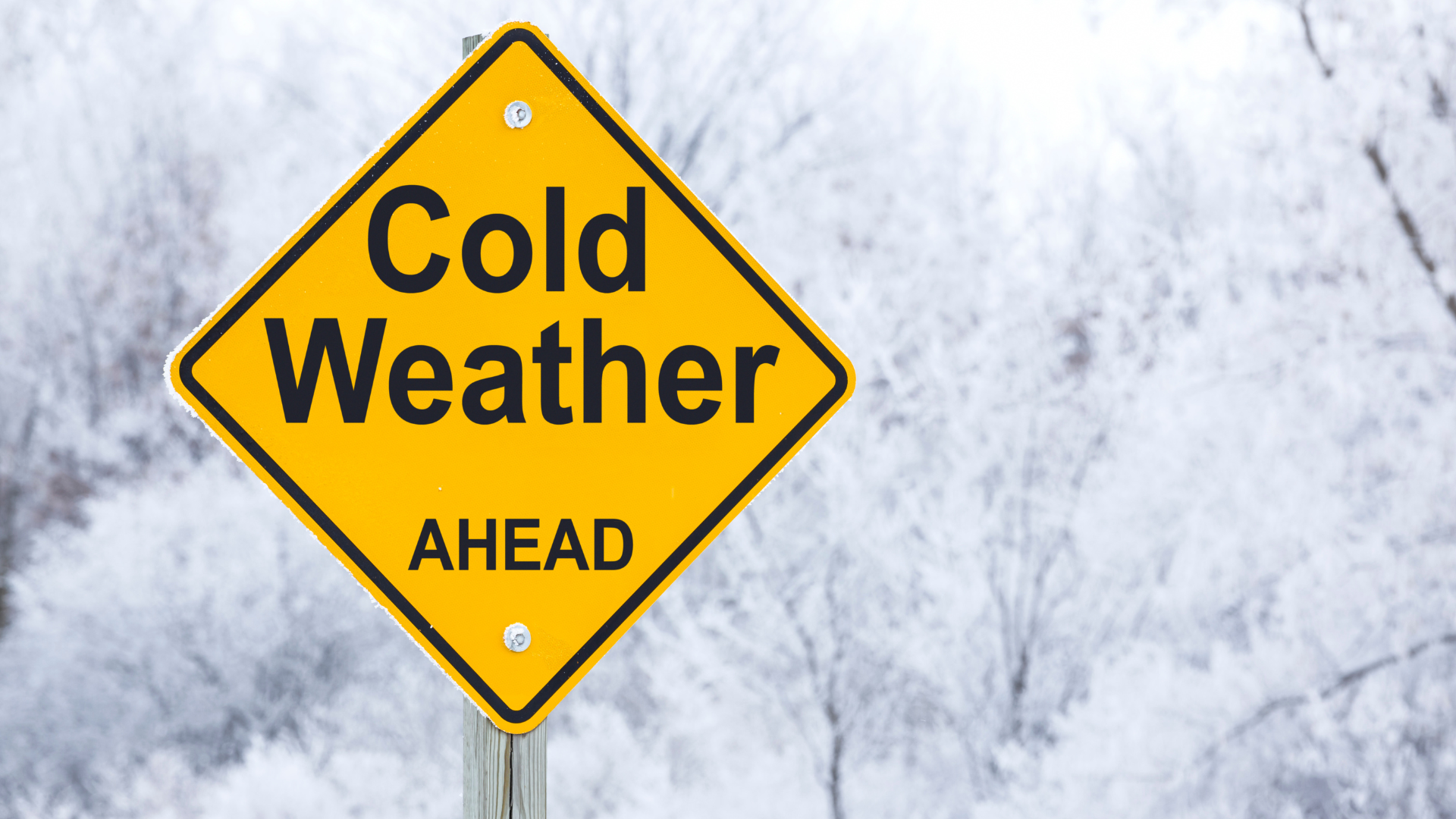
The Olive Branch Police Department has activated its inclement weather policy as hazardous road conditions affect the area, urging drivers to use extreme caution and limit travel whenever possible, according to DeSoto County News. Under the new procedures, minor collisions that involve no injuries, no suspected drugs or alcohol, and no need for a tow truck will not require an officer to respond to the scene, allowing police to focus on emergencies and life-threatening situations. Instead, those involved in such crashes should exchange names, addresses, phone numbers, insurance information, and vehicle tag numbers, and are encouraged to take photos of the vehicles and crash scene for documentation. If a crash involves injuries, suspected impairment, or requires towing, motorists are instructed to call 911 or the non-emergency number so first responders can be dispatched.
Car crashes in Olive Branch have the potential to become that much worse when inclement weather occurs and creates widespread chaos for travelers. Car crashes in Olive Branch have the potential to become that much worse when inclement weather occurs and creates widespread chaos for travelers. Slippery roads, reduced visibility, and delayed emergency responses often increase the risk of serious injuries and complicated insurance disputes. At Bob Germany Law, we understand how overwhelming weather-related crashes can be and how quickly uncertainty follows. We work to help injured individuals navigate the aftermath while protecting their rights during stressful and confusing situations. If you or a loved one has been injured in a weather-related crash, call us today at (601) 706-8882 to discuss your options.
The Value of Dedicated Legal Advocacy Following an Inclement Weather-Related Car Crash in Olive Branch
An inclement weather-related Olive Branch car crash can leave victims facing serious injuries, mounting expenses, and uncertainty about how fault will be determined, which is why experienced legal support matters. At Bob Germany Law, we understand how challenging these cases can be when hazardous conditions, reduced visibility, and roadway dangers complicate accident investigations. We work closely with injured individuals to analyze how weather conditions interacted with driver behavior, vehicle maintenance, and road safety factors. Our team focuses on building clear, well-supported claims that account for both immediate losses and long-term consequences.
Dedicated legal advocacy becomes especially important when insurance companies attempt to downplay injuries or shift blame due to weather conditions. At Bob Germany Law, we take a proactive approach by gathering evidence, reviewing reports, and addressing disputed liability issues head-on. We work to ensure that our clients are treated fairly throughout the claims process while we pursue outcomes that reflect the full impact of the crash. By providing consistent guidance and strong representation, we help injured victims move forward with greater clarity and confidence during a difficult time.

Steps to Take After an Olive Branch Inclement Weather-Related Car Crash
An Olive Branch inclement weather-related car crash can leave drivers shaken and unsure how to respond, especially when road conditions remain dangerous. Rain, ice, or fog often complicate visibility, vehicle control, and post-crash decision-making. Therefore, knowing which steps to take immediately after the collision helps protect both your safety and your legal rights. Taking thoughtful action early can also prevent complications as insurance claims and investigations move forward.
Prioritize Safety and Assess the Scene Carefully
Safety should always remain the first concern following a weather-related crash, especially when hazardous conditions persist after impact. Rain, ice, fog, or standing water can continue to create serious risks for everyone involved, including passing motorists. Staying alert and cautious helps reduce the likelihood of secondary collisions while allowing drivers to regain composure. Taking a moment to assess the environment carefully also helps guide safer decisions in the moments immediately after the crash.
Move to a Safe Location When Possible
When vehicles can be moved safely, relocating them away from active traffic lanes helps reduce additional danger. Pulling to the shoulder or a nearby safe area limits exposure to oncoming vehicles navigating the same hazardous conditions. Activating hazard lights further improves visibility and alerts approaching drivers to slow down. These steps become especially important during heavy rain, dense fog, or low-light conditions, when reaction times are already reduced.
Check for Injuries and Call for Help
Drivers and passengers should check themselves and others for injuries immediately after the crash occurs. Even minor discomfort may worsen in cold, wet, or stressful conditions, making early awareness important. Emergency services should be contacted whenever injuries are suspected or when the scene remains unsafe. Prompt assistance helps ensure medical needs are addressed while also improving overall scene safety.
Contact Law Enforcement and Report the Crash
Reporting an Olive Branch inclement weather-related car crash creates an official record that can play an important role during insurance and legal reviews. Police documentation helps establish what happened and how weather conditions may have contributed to the collision. Clear reporting also reduces disputes about timing, location, and environmental factors. This official record often becomes a key reference as claims move forward.
Request an Officer When Conditions Are Unsafe
Severe weather, blocked roadways, or significant vehicle damage often warrant law enforcement assistance at the scene. Officers can help direct traffic, reduce additional hazards, and document conditions accurately. Their observations regarding weather, visibility, and road surface conditions may later help clarify how the crash occurred. Requesting assistance adds structure and safety during an already chaotic situation.
Provide Accurate and Consistent Information
Drivers should provide factual information without guessing or speculating about fault. Describing observable conditions such as rain intensity, ice buildup, or limited visibility helps create a complete and reliable report. Consistency across statements reduces confusion and prevents misunderstandings later. Clear communication helps ensure the report reflects the circumstances accurately.
Document Weather and Road Conditions Thoroughly
Weather conditions can change quickly, making documentation especially valuable after a crash. Visual and written records help preserve details that may disappear once conditions improve or crews clear the roadway. Thorough documentation strengthens later evaluations by capturing the environment as it existed at the time of the collision. These records often become important when responsibility is disputed.
Take Photos and Videos of the Scene
Photos and videos should capture standing water, ice patches, fog density, road markings, and vehicle positions. Images showing reduced visibility or slick pavement help illustrate the challenges drivers faced. Recording the scene from multiple angles provides a clearer picture of overall conditions. Videos can also show how weather impacts traffic flow in real time.
Note Weather Alerts and Road Advisories
Recording weather alerts or road advisories issued at the time of the crash adds helpful context. These notices may demonstrate whether hazardous conditions were known or expected. Local advisories can also show whether drivers were encouraged to reduce speed or avoid travel. Including this information helps establish foreseeability and environmental risk.
Seek Medical Evaluation Promptly
Medical care remains essential after any weather-related crash, even when injuries appear minor at first. Cold temperatures and adrenaline may mask pain or symptoms during the initial aftermath. Prompt evaluation protects health while also creating clear medical documentation. Early treatment often prevents complications that could arise later.
Monitor Symptoms After Leaving the Scene
Some injuries develop gradually and may not be immediately noticeable. Headaches, stiffness, dizziness, or numbness can appear hours or days later. Paying attention to changes in how you feel helps ensure timely care. Seeking evaluation early supports both recovery and documentation.
Follow Medical Recommendations Consistently
Following medical advice helps support healing and demonstrates the seriousness of injuries. Skipping appointments or delaying treatment may raise questions during claim reviews. Consistent care creates a clear medical timeline. This continuity strengthens credibility and supports long-term recovery planning.
Be Cautious When Dealing With Insurance Companies
Insurance companies often approach weather-related crashes differently than standard collisions. Early statements may influence how claims are evaluated or valued. Careful communication helps protect your position while details are still being reviewed. Thoughtful responses reduce the risk of misinterpretation.
Avoid Speculating About Fault or Weather Blame
Weather conditions do not automatically remove driver responsibility. Avoid statements suggesting the crash was unavoidable without proper review. Focus on observable facts rather than conclusions. This approach helps prevent assumptions from shaping claim outcomes.
Keep Records of All Communications and Expenses
Saving emails, letters, and notes from phone calls helps track interactions with insurers. Receipts for medical care, transportation, and repairs should also be organized carefully. Detailed records support reimbursement efforts. Organization reduces stress as the process continues.
Preserve Evidence for Future Review
Evidence may disappear quickly after an Olive Branch inclement weather-related car crash, especially as conditions improve. Taking steps to preserve information helps protect your interests. Early action often strengthens later claims. Preserved evidence provides clarity when memories fade.
Do Not Repair Vehicles Until Damage Is Documented
Vehicle damage provides physical proof of impact severity and collision dynamics. Repairs completed too soon can permanently remove important evidence. Documentation should always come first. This step helps preserve accuracy during evaluations.
Save Dash Camera or Phone Data
Electronic data may capture weather conditions, traffic flow, or driver behavior immediately before impact. Preserving these files helps establish timelines and context. Digital evidence often complements physical documentation. Together, they provide a clearer picture of events.
Challenges Victims Face After an Olive Branch Inclement Weather-Related Car Crash
An Olive Branch inclement weather-related car crash often creates unique challenges that extend beyond those found in typical accidents. Hazardous road conditions, reduced visibility, and delayed emergency response can complicate both recovery and the claims process. As a result, victims may face uncertainty while trying to understand how weather, driver behavior, and liability intersect. These challenges can quickly become overwhelming without clear information and support.
Disputed Liability Due to Weather Conditions
One of the most common challenges involves determining who is responsible for the crash. Insurance companies frequently argue that weather conditions caused the collision rather than driver negligence. This argument can delay claims and reduce compensation if not addressed carefully.
Insurance Companies Shifting Blame to Weather
Insurers often claim that rain, ice, or fog made the crash unavoidable. However, drivers are still expected to adjust speed and behavior during poor conditions. Disputes arise when insurers ignore these responsibilities and focus solely on the weather.
Difficulty Proving Negligent Driving
Proving negligence becomes more difficult when visibility is limited or road surfaces are slick. Evidence may be less clear, especially if skid marks fade or vehicles are moved quickly. This lack of clarity can complicate fault determinations.
Delays in Emergency Response and Medical Treatment
Inclement weather can slow emergency services and medical care after a crash. These delays may affect injury outcomes and documentation. Victims often face additional stress as a result.
Slower Response Times During Severe Weather
Heavy rain, flooding, or icy roads may prevent emergency responders from arriving quickly. Delayed assistance can worsen injuries or prolong exposure to unsafe conditions. These delays also affect how injuries are documented initially.
Injuries That Appear Later
Cold temperatures and adrenaline often mask symptoms immediately after a crash. Pain, stiffness, or neurological symptoms may develop hours or days later. Delayed symptoms can raise questions during insurance reviews.
Challenges With Evidence Collection and Preservation
Weather conditions often interfere with evidence collection at the scene. Rain or flooding can erase physical indicators of how the crash occurred. Missing evidence may weaken claims.
Washed Away or Obscured Physical Evidence
Skid marks, debris, and fluid trails may disappear quickly during storms. Fog or darkness may prevent clear photos from being taken. These factors reduce the amount of usable scene evidence.
Limited Witness Availability
Severe weather often discourages bystanders from stopping. Witnesses may leave quickly to seek shelter. This can limit independent accounts of what happened.
Financial Pressure During Recovery
Weather-related crashes frequently cause serious injuries that disrupt work and daily life. Financial strain often increases as recovery continues. Victims may struggle to manage expenses while waiting for claims to resolve.
Lost Income and Employment Disruption
Injuries may prevent victims from returning to work right away. Missed paychecks can create immediate financial stress. This pressure often grows as recovery timelines extend.
Out-of-Pocket Expenses Add Up Quickly
Medical co-pays, medications, transportation costs, and vehicle repairs accumulate rapidly. Insurance delays may force victims to cover costs upfront. These expenses can strain household finances.
Emotional Stress and Uncertainty
Beyond physical injuries, weather-related crashes often cause emotional distress. Ongoing uncertainty about recovery and finances adds mental strain. Emotional challenges may persist long after the crash.
Anxiety About Driving in Poor Conditions
Many victims develop fear or anxiety when driving during rain or storms. This emotional response can affect daily routines and independence. Fear may linger without support.
Stress From Prolonged Claims and Disputes
Extended insurance disputes increase frustration and exhaustion. Constant paperwork and communication demands add pressure. This stress can interfere with healing and quality of life.
Evidence That Matters After an Olive Branch Inclement Weather-Related Car Crash
Evidence plays a critical role after an Olive Branch inclement weather-related car crash, especially when road conditions complicate questions of fault and responsibility. Rain, ice, fog, and storms can quickly alter or erase important details from the crash scene. Therefore, understanding which types of evidence matter most helps protect the accuracy of claims and investigations. Strong evidence also helps counter arguments that weather alone caused the collision.
Weather and Road Condition Evidence
Weather-related evidence helps establish the environmental conditions drivers faced at the time of the crash. This information provides context for evaluating whether drivers acted reasonably under hazardous circumstances. Accurate weather documentation often becomes central to liability discussions.
Official Weather Reports and Alerts
Weather reports from reliable sources help confirm rainfall levels, temperature, visibility, and storm warnings. These records show whether conditions were severe and whether drivers were expected to exercise additional caution. Alerts and advisories also help establish foreseeability of dangerous conditions.
Road Surface and Drainage Conditions
Evidence showing standing water, ice buildup, or poor drainage helps explain how the roadway contributed to the crash. Photos or reports documenting potholes, flooding, or untreated surfaces add important detail. These factors may support claims involving roadway maintenance or driver speed.
Scene Documentation and Visual Evidence
Visual evidence captures details that may disappear shortly after a crash occurs. Weather conditions often accelerate cleanup efforts, making early documentation especially important. Clear images help preserve how the scene looked immediately after impact.
Photographs and Videos of the Crash Scene
Photos and videos should show vehicle positions, damage patterns, skid marks, and surrounding roadway features. Images capturing fog density, rain intensity, or icy patches help illustrate driving challenges. Multiple angles provide a more complete picture of conditions.
Traffic Cameras and Surveillance Footage
Traffic cameras, business surveillance systems, and nearby security cameras may capture the crash or conditions leading up to it. This footage often provides objective evidence of speed, visibility, and traffic flow. Preserving this footage quickly is essential before it is overwritten.
Vehicle Damage and Physical Evidence
Vehicle damage provides insight into impact severity and collision mechanics. Weather conditions do not eliminate the value of physical evidence. Proper documentation helps explain how the crash unfolded.
Damage Patterns and Impact Points
Photos of dents, crumpling, and paint transfer help establish angles of impact. Damage patterns can indicate speed and direction of travel. These details often support reconstruction efforts.
Tire Condition and Mechanical Evidence
Tire tread, brake condition, and windshield wiper functionality may become relevant in weather-related crashes. Poor vehicle maintenance can contribute to loss of control during hazardous conditions. Documenting these factors helps clarify responsibility.
Witness Statements and Observations
Witnesses provide independent perspectives that may support or challenge driver statements. Weather-related crashes often involve conflicting accounts. Early witness input helps preserve accuracy.
Statements About Driving Behavior
Witnesses may recall whether a driver was speeding, following too closely, or failing to use headlights. These observations help demonstrate whether drivers adjusted behavior appropriately. Such details counter claims that weather made the crash unavoidable.
Observations of Weather Severity
Witnesses may also describe rain intensity, fog thickness, or road slickness. These firsthand accounts complement official weather data. Together, they help establish conditions at the exact time of the crash.
Police Reports and Officer Observations
Law enforcement documentation often serves as a foundational piece of evidence. Officers note conditions that may not be captured elsewhere. These reports frequently influence insurance evaluations.
Officer Notes on Weather and Visibility
Police reports often include observations about lighting, weather, and roadway conditions. These notes help explain environmental factors present during the crash. Officer assessments may support or challenge driver claims.
Diagrams and Measurements
Accident diagrams, measurements, and scene notes help reconstruct events. These details become especially valuable when physical evidence fades. Accurate documentation supports consistency across investigations.
Digital and Electronic Evidence
Digital evidence increasingly plays a role in modern crash investigations. Weather conditions do not prevent electronic data from providing clarity. Preserving this information strengthens claims.
Dash Camera and Phone Data
Dash cameras may record road conditions, traffic behavior, and moments before impact. Phone data can help establish timelines or rule out distractions. Preserving files early prevents loss.
Vehicle Data and Event Recorders
Some vehicles store data related to speed, braking, and steering. This information helps explain driver response during hazardous conditions. Electronic records often provide objective insight.

How Personal Injury Accident Attorneys in Olive Branch Handle Inclement Weather-Related Crashes
Personal injury accident attorneys in Olive Branch play an important role in helping victims navigate crashes made more complex by hazardous weather conditions. Rain, ice, fog, and severe storms often complicate questions of fault, evidence collection, and insurance responsibility. These cases require a careful approach that looks beyond weather alone and examines how drivers, vehicles, and road conditions contributed to the collision. By handling these matters strategically, attorneys help injured individuals pursue fair outcomes despite the added challenges weather-related crashes present.
Evaluating How Weather Conditions Contributed to the Crash
Attorneys begin by examining how inclement weather affected visibility, traction, and overall driving conditions at the time of the crash. Weather alone does not excuse unsafe driving, so legal analysis focuses on whether drivers adjusted their behavior appropriately. This evaluation helps clarify whether negligence played a role despite hazardous conditions.
Reviewing Weather Reports and Road Conditions
Accident attorneys review official weather data, road condition reports, and local advisories issued at the time of the crash. These records help establish whether conditions were foreseeable and whether drivers should have exercised additional caution. Road maintenance and drainage issues may also be considered when determining contributing factors.
Assessing Driver Decisions in Hazardous Conditions
Attorneys analyze whether drivers reduced speed, increased following distance, or used proper lighting during poor weather. Failure to adapt driving behavior can support a finding of negligence. These assessments help shift focus from weather alone to driver responsibility.
Gathering and Preserving Critical Evidence
Evidence collection becomes especially important when weather may alter or erase crash details. Attorneys act quickly to preserve information before it disappears. Early action strengthens claims and reduces disputes later.
Securing Photos, Videos, and Scene Documentation
Visual evidence helps show roadway conditions, vehicle damage, and visibility challenges. Attorneys gather available photos, surveillance footage, and dash camera recordings when possible. This documentation supports accurate reconstruction of the crash.
Collecting Police Reports and Witness Statements
Law enforcement reports often include observations about weather and road conditions. Witness statements may provide additional insight into how drivers were behaving before the collision. Attorneys use these accounts to support liability arguments.
Addressing Insurance Company Weather-Based Defenses
Insurance companies frequently argue that weather conditions caused the crash, not driver negligence. Attorneys work to counter these defenses with evidence and legal analysis. This approach helps protect victims from unfair claim denials.
Challenging Attempts to Shift Blame
Attorneys review insurer arguments carefully and identify inconsistencies or unsupported claims. Evidence showing unsafe speed or distracted driving can undermine weather-based defenses. This strategy helps keep responsibility properly assigned.
Managing Communications and Claim Negotiations
Attorneys handle insurer communications to prevent misstatements or pressure tactics. Clear documentation and consistent messaging strengthen negotiations. This representation allows injured individuals to focus on recovery.
Calculating Damages in Weather-Related Injury Claims
Injuries from inclement weather crashes can create lasting financial and personal consequences. Attorneys evaluate the full scope of losses rather than focusing only on immediate costs. Comprehensive damage assessments support fair compensation efforts.
Accounting for Medical Expenses and Lost Income
Attorneys calculate current and future medical costs related to weather-related injuries. Lost wages and reduced earning capacity are also considered. These damages often extend well beyond initial treatment.
Considering Long-Term Effects and Quality of Life
Severe injuries may lead to ongoing pain, mobility limitations, or lifestyle changes. Attorneys factor these long-term effects into claim evaluations. This broader view helps ensure claims reflect the true impact of the crash.
Contact Attorneys Who Know How to Handle Olive Branch Inclement Weather-Related Car Crashes Today
At Bob Germany Law, we understand how overwhelming an inclement weather-related crash can feel, especially when injuries, vehicle damage, and insurance questions arise all at once. Weather conditions often complicate these cases, making it harder for injured individuals to understand how fault will be determined and what steps should come next. We work closely with injured clients to help them understand their legal options, anticipate potential challenges, and move through the claims process with greater clarity and confidence. Our team takes the time to listen carefully, explain each phase of the process in plain language, and manage the legal details so our clients can focus on healing while knowing their case is being handled with care and attention.
When you work with us, you gain advocates who know how to address the added complexities that weather-related crashes often present. Insurance companies may attempt to shift blame or minimize claims by pointing to road conditions, but we are prepared to evaluate evidence, review reports, and challenge unfair tactics that stand in the way of a fair outcome. We focus on building strong claims that reflect the true physical, emotional, and financial impact the collision has had on your life. If you or a loved one has been injured in an Olive Branch inclement weather-related car crash, call Bob Germany Law today at (601) 706-8882 or reach out online to discuss your situation and learn how we can help.