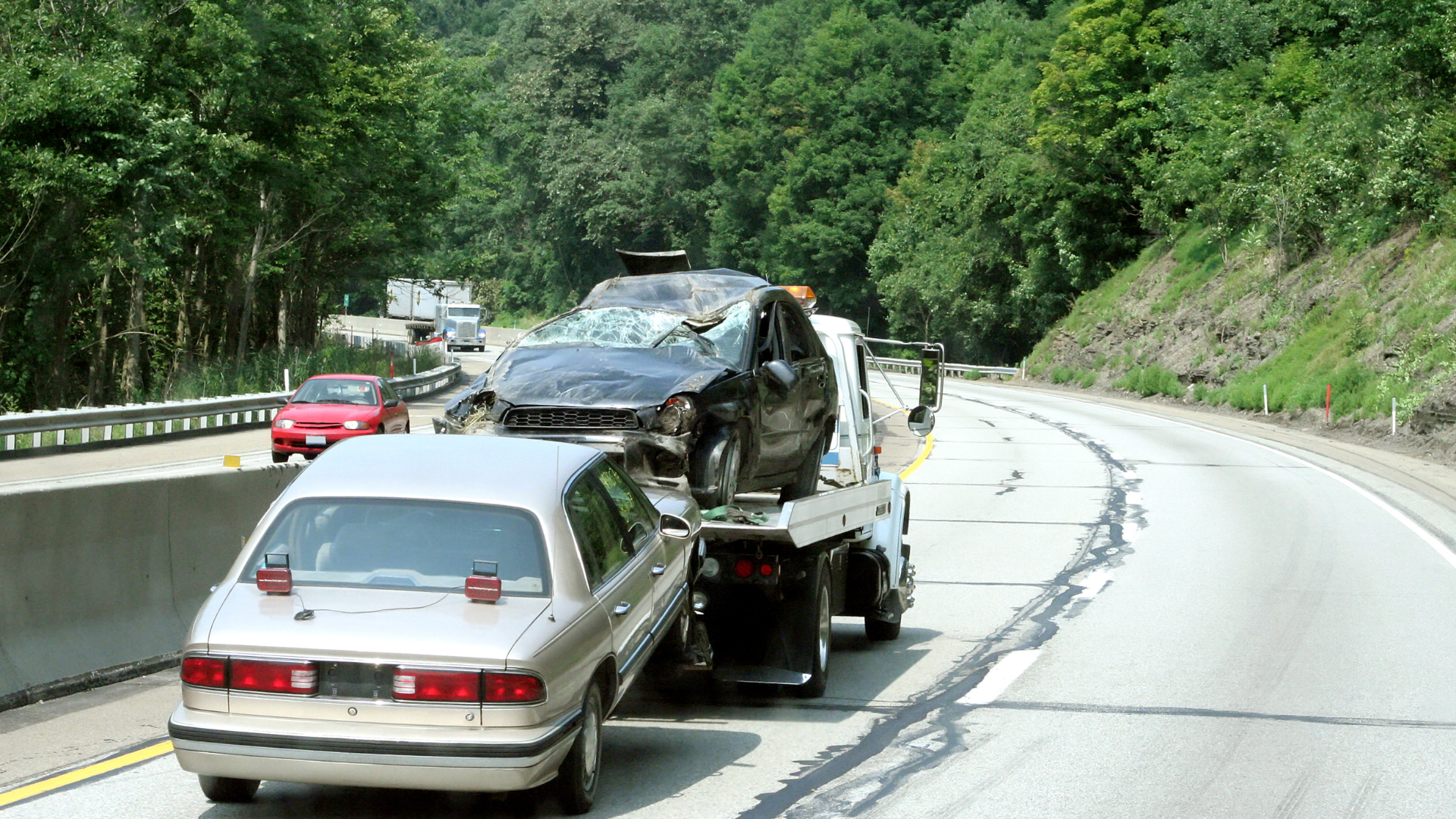
One person was injured after a vehicle overturned on Interstate 55 in Ridgeland, according to WJTV accounts. The rollover crash occurred along the northbound lanes of the interstate, prompting a response from law enforcement and emergency crews. Authorities reported that the vehicle left the roadway and flipped, though details about what caused the crash have not yet been released. The injured occupant was transported to a local hospital for treatment, and no other vehicles were reported to be involved. Traffic in the area was impacted while crews worked to clear the scene and investigate the circumstances surrounding the crash.
This rollover Ridgeland car crash highlights how quickly a loss of control on a major interstate can result in serious injuries and dangerous conditions for motorists. Rollover crashes are particularly hazardous due to the violent forces involved, often leading to significant injuries and extensive vehicle damage even when only one vehicle is involved. Incidents like this raise important questions about speed, roadway conditions, and whether other factors contributed to the crash. At Bob Germany Law, we understand how overwhelming the aftermath of a rollover crash can be for injured individuals and their families as they face medical treatment, lost income, and uncertainty about what comes next. If you or a loved one has been impacted by a rollover Ridgeland car crash, call us at (601) 706-8882 today to learn more about your rights and legal options.
Why the Right Legal Support Matters After a Rollover Ridgeland Car Crash
A rollover Ridgeland car crash can leave injured individuals and families facing serious physical injuries, emotional distress, and unexpected financial strain, and at Bob Germany Law, we understand how critical the right legal support can be during this difficult time. Rollover accidents often involve complex factors such as vehicle design, speed, roadway conditions, or driver behavior, all of which require careful investigation. We work closely with our clients to explain their rights, evaluate how the crash occurred, and determine whether negligence or other contributing factors played a role. Having experienced legal guidance helps ensure important details are not overlooked as the case moves forward.
At Bob Germany Law, we take a hands-on and compassionate approach when supporting clients affected by rollover crashes in Ridgeland. We handle communication with insurance companies, gather evidence, and assess the full scope of damages so our clients can focus on medical care and recovery. Our team understands the serious nature of rollover injuries and the long-term challenges they can create. By advocating for fair treatment and accountability, we help individuals impacted by a rollover Ridgeland car crash move forward with greater confidence and peace of mind.
Factors Contributing to a Rollover Ridgeland Car Crash
A rollover Ridgeland car crash often results from a combination of driving behaviors, vehicle characteristics, and roadway conditions that together increase the likelihood of a vehicle losing stability. Rollover accidents are especially dangerous because they involve violent motion, multiple points of impact, and a higher risk of severe injury. Understanding the factors that commonly contribute to rollovers helps explain why these crashes occur and why they are often preventable. Careful analysis of these elements is also important when evaluating responsibility after a serious crash.
Driver Behavior and Loss of Vehicle Control
Driver actions are a leading factor in many rollover crashes, particularly when speed or sudden maneuvers are involved. Vehicles are more likely to roll when drivers make abrupt steering corrections or fail to maintain control. These behaviors can quickly destabilize a vehicle, especially on highways or curved roadways. Driver-related factors are often closely examined during crash investigations.
Speeding and Sudden Steering Maneuvers
Excessive speed significantly increases the risk of a rollover by reducing traction and reaction time. When a driver swerves sharply to avoid an obstacle or correct a mistake at high speed, the vehicle’s center of gravity can shift dangerously. This is especially true on interstate ramps and curved sections of roadway common around Ridgeland. Sudden steering combined with speed is a frequent cause of rollover crashes.
Distracted or Impaired Driving
Drivers who are distracted or impaired may fail to notice changes in traffic, road conditions, or lane alignment. Delayed reactions often lead to overcorrection, which can cause a vehicle to leave the roadway or tip. Impairment from alcohol, drugs, or fatigue further reduces coordination and judgment. These factors greatly increase rollover risk.
Vehicle Design and Mechanical Factors
Certain vehicle characteristics make rollovers more likely, particularly when combined with unsafe driving behavior. Taller vehicles have a higher center of gravity, which affects stability during sharp turns or impacts. Mechanical issues may also play a role. Vehicle-related factors are an important part of rollover analysis.
High Center of Gravity in SUVs and Trucks
SUVs, pickup trucks, and vans are more prone to rollovers than lower-profile passenger cars. Their higher center of gravity makes them less stable during sudden turns or collisions. When these vehicles leave the roadway or strike a curb, they are more likely to tip and roll. Vehicle type is often a key factor in rollover crashes.
Tire Failures and Mechanical Defects
Tire blowouts or worn tires can cause sudden loss of control, especially at highway speeds. Mechanical defects such as steering or suspension failures may also contribute to instability. When a vehicle cannot respond properly to driver input, the risk of a rollover increases. Maintenance and mechanical condition are frequently examined after these crashes.
Roadway and Environmental Conditions
Roadway design and environmental factors often contribute to rollover crashes by increasing instability or reducing traction. Uneven surfaces, narrow shoulders, and roadway edges can cause vehicles to tip if they leave the travel lane. Environmental conditions may further complicate safe driving. These factors often interact with driver behavior.
Curves, Ramps, and Uneven Road Surfaces
Sharp curves and elevated ramps require careful speed control to maintain stability. Uneven pavement, soft shoulders, or drop-offs can cause a vehicle to roll if tires leave the roadway. These conditions are common in areas near interstates and exits. Roadway design plays a significant role in rollover risk.
Weather Conditions and Reduced Traction
Rain, wet pavement, or debris on the road can reduce tire traction and increase the likelihood of skidding. Loss of traction makes it harder to maintain control during turns or sudden maneuvers. Poor weather conditions amplify the effects of speed and driver error. Weather is often a contributing factor in rollover Ridgeland car crashes.

Insurance Challenges After a Rollover Ridgeland Car Crash
Insurance issues are often one of the most stressful aspects of recovering after a rollover Ridgeland car crash, especially when injuries are serious and damages are extensive. Rollover accidents tend to result in high medical costs and significant vehicle damage, which can lead insurance companies to scrutinize claims more aggressively. Victims may encounter delays, disputes, or pressure to accept settlements that do not fully reflect their losses. Understanding these challenges helps injured individuals better prepare for the claims process.
Dealing With Insurance Company Disputes
Insurance companies often approach rollover crash claims cautiously due to the severity of potential payouts. Disagreements may arise over how the crash occurred, who was at fault, or whether certain damages are covered. These disputes can slow progress and create frustration during recovery. Clear documentation and persistence are essential.
Disputed Liability and Fault Determinations
Insurers may argue that driver error caused the rollover, even when roadway conditions or vehicle defects played a role. In some cases, insurers attempt to shift blame to reduce or deny coverage. These fault disputes can delay compensation and complicate claims. Careful review of crash evidence is critical to addressing these issues.
Delays and Requests for Additional Documentation
After a rollover Ridgeland car crash, insurers may request extensive medical records, statements, or repeated documentation. While some requests are routine, excessive demands can delay resolution. These delays can place financial strain on injured individuals facing medical bills and lost income. Staying organized helps manage these challenges.
Policy Limits and Coverage Issues
Insurance coverage limits can significantly affect recovery after a rollover crash. Because rollover accidents often cause catastrophic injuries, damages may exceed available policy limits. Understanding how coverage applies is important when evaluating expectations and options.
How Coverage Limits Affect Compensation
Each insurance policy has maximum payout limits that may be quickly exhausted in severe rollover crashes. When damages exceed these limits, full recovery may not be possible through a single policy. This reality often shapes settlement negotiations. Awareness of limits helps set realistic expectations.
Uninsured and Underinsured Motorist Coverage
If the at-fault driver lacks sufficient insurance, uninsured or underinsured motorist coverage may apply. These claims involve additional procedures and documentation requirements. Understanding how this coverage works can help identify alternative sources of compensation. Proper notice and compliance are essential.
Evidence That Can Strengthen a Rollover Ridgeland Car Crash Claim
Strong evidence is essential in a rollover Ridgeland car crash claim, particularly because these accidents often involve disputes over speed, control, and vehicle stability. Evidence helps establish how the rollover occurred and who may be responsible. Early collection and preservation significantly improve reliability. Comprehensive documentation supports fair evaluation of the claim.
Physical Evidence From the Crash Scene
Physical evidence provides objective insight into the mechanics of a rollover crash. This evidence may change or disappear quickly as vehicles are cleared from the roadway. Preserving it early helps support accurate reconstruction. Physical details often reveal critical information.
Vehicle Damage, Roof Crush, and Tire Marks
Damage patterns, including roof crush and side panel deformation, help show how the vehicle rolled. Tire marks may indicate loss of control or sudden steering input. These details help reconstruct the sequence of events. Photographs and measurements are important for preservation.
Roadway Conditions and Scene Photographs
Photographs of the roadway, shoulders, and surrounding environment provide context for the crash. Uneven pavement, debris, or soft shoulders may have contributed to the rollover. Scene documentation helps explain external factors. Early collection prevents loss of details.
Documentary and Technical Evidence
Written and technical records often provide time-stamped, objective information that supports rollover crash claims. These records can corroborate physical findings and witness accounts. Timely retrieval is critical. Documentary evidence often carries significant weight.
Police Reports and Witness Statements
Police reports include officer observations, diagrams, and preliminary assessments. Witness statements provide additional perspectives on how the crash occurred. Reviewing these materials for accuracy is important. Together, they support liability analysis.
Vehicle Data and Expert Analysis
Many vehicles contain event data recorders that capture speed, braking, and steering input before a crash. Experts may analyze this data to explain rollover dynamics. Technical analysis helps resolve disputed issues. This evidence is especially valuable in complex cases.
Long-Term Effects of Injuries From a Rollover Ridgeland Car Crash
Injuries from a rollover Ridgeland car crash often have lasting effects that extend well beyond the initial recovery period. Because rollovers involve multiple impacts and violent motion, victims may experience permanent physical and emotional consequences. Long-term effects can alter daily life, employment, and overall well-being. Understanding these impacts highlights the seriousness of rollover injuries.
Ongoing Physical Limitations and Medical Needs
Many rollover crash injuries require prolonged treatment and rehabilitation. Some conditions never fully resolve, leading to lasting limitations. Ongoing medical care may be necessary. These needs can affect quality of life.
Chronic Pain and Reduced Mobility
Spinal injuries, joint damage, and nerve trauma often result in chronic pain. Reduced mobility may limit physical activity and independence. Daily tasks can become challenging. Long-term pain management may be required.
Future Surgeries and Rehabilitation Requirements
Some injuries worsen over time or require additional surgeries. Rehabilitation may involve physical therapy, occupational therapy, or assistive devices. These treatments extend recovery timelines. Planning for future care is essential.
Emotional and Financial Consequences
Rollover crashes can also take a significant emotional and financial toll. Recovery often involves stress, anxiety, and uncertainty. Financial pressures may compound these challenges. Support systems are important.
Emotional Trauma and Psychological Effects
Victims may experience anxiety, depression, or post-traumatic stress following a rollover crash. Fear of driving or riding in vehicles is common. Emotional recovery often requires time and support. Mental health care may be beneficial.
Long-Term Financial Strain and Lifestyle Changes
Medical bills, lost income, and reduced earning capacity can affect long-term financial stability. Families may need to adjust lifestyles or take on caregiving roles. Financial planning becomes necessary. These changes can be difficult to manage.
Time Limits for Filing a Claim After a Rollover Ridgeland Car Crash
There are strict deadlines for filing a legal claim after a rollover Ridgeland car crash, and missing these deadlines can permanently bar recovery. Mississippi law enforces time limits regardless of injury severity or fault clarity. Understanding these limits helps protect legal rights. Acting promptly is essential.
Mississippi Statute of Limitations
The statute of limitations establishes how long an injured person has to file a lawsuit. These deadlines vary depending on claim type. Awareness helps prevent costly mistakes. Early action preserves options.
Deadlines for Personal Injury Claims
In Mississippi, personal injury claims generally must be filed within three years of the date of the crash. This deadline applies to claims seeking compensation for medical expenses, lost income, and pain. Filing after this period typically results in dismissal. Timely filing is critical.
Deadlines for Wrongful Death Claims
Wrongful death claims must also generally be filed within three years from the date of death. These claims involve additional legal considerations. Delays during periods of grief are understandable but risky. Early guidance helps protect family rights.
Why Acting Quickly Matters
Even when deadlines appear distant, acting quickly after a rollover crash provides important advantages. Evidence is easier to collect and preserve. Early preparation reduces stress. Timeliness strengthens claims.
Preserving Evidence and Witness Testimony
Physical evidence may be altered or lost as vehicles are repaired and scenes are cleared. Witness memories fade over time. Early documentation improves accuracy. Preservation supports stronger cases.
Avoiding Procedural Errors and Missed Requirements
Waiting until deadlines approach increases the risk of filing errors or missed requirements. Early preparation allows careful review and strategic planning. Accuracy matters. Organization supports better outcomes.

How Auto Accident Attorneys in the Jackson Area Support Crash Victims
After a serious auto accident in the Jackson area, crash victims often face physical injuries, emotional stress, and financial uncertainty all at once. Auto accident attorneys provide critical support by helping individuals understand their rights, navigate insurance claims, and pursue accountability when negligence may have contributed to the crash. Their familiarity with Mississippi traffic laws and local road conditions allows them to address complex liability issues effectively. This support helps victims focus on recovery while their legal matters are handled with care and attention.
Investigating the Cause of the Auto Accident
Investigating the cause of an auto accident is a critical first step in understanding how the crash occurred and who may be responsible. Auto accident attorneys in the Jackson area begin by examining the sequence of events leading up to the collision, looking for evidence that explains driver behavior, road conditions, and contributing factors. A thorough investigation helps clarify disputed facts and prevents important details from being overlooked. This process lays the groundwork for establishing liability and pursuing compensation.
Reviewing Police Reports and Crash Scene Evidence
Police reports often provide valuable initial insight into an auto accident, including officer observations, diagrams, witness statements, and any citations issued. Attorneys carefully review these reports to identify inconsistencies, missing information, or conclusions that may need further examination. Crash scene evidence such as vehicle damage, skid marks, debris, and photographs helps reconstruct how the collision occurred. Together, these materials help form a clearer and more accurate picture of the accident.
Analyzing Roadway Conditions, Traffic Flow, and Vehicle Damage
Roadway conditions and traffic patterns can play a significant role in causing or contributing to auto accidents. Attorneys analyze factors such as lane design, signage, lighting, construction zones, and congestion to determine whether external conditions affected driver behavior. Vehicle damage is also closely examined to assess impact points and collision forces. This analysis helps explain whether environmental factors or unsafe road conditions contributed to the crash.
Determining Liability Under Mississippi Law
Determining liability under Mississippi law requires showing that one or more parties failed to exercise reasonable care and that this failure caused the accident. Auto accident attorneys evaluate how traffic laws apply to the specific circumstances of the crash. Establishing liability is essential for pursuing a successful claim. Accurate fault determination supports fair outcomes.
Identifying Negligent Drivers and Contributing Factors
Negligence may involve speeding, distracted driving, impaired driving, or failure to obey traffic signals. Attorneys review evidence such as witness statements, police findings, and physical damage to identify unsafe actions. In many cases, multiple contributing factors combine to cause a crash. Identifying all negligent behaviors ensures accountability is properly addressed.
Evaluating Comparative Fault and Shared Responsibility
Mississippi follows a comparative fault system, meaning more than one party may share responsibility for an accident. Attorneys assess whether the injured person may bear partial fault and how that affects potential recovery. Fault percentages directly influence compensation. Careful evaluation helps prevent unfair blame from reducing a valid claim.
Managing Insurance Claims and Communications
Insurance claims can be one of the most stressful aspects of recovering after an auto accident. Insurers often focus on limiting payouts rather than fully addressing victims’ losses. Auto accident attorneys help manage these interactions to protect clients from common pitfalls. Clear communication and documentation are essential throughout this process.
Handling Interactions With Insurance Adjusters
Insurance adjusters may request recorded statements or documentation soon after a crash. Attorneys help ensure that information shared is accurate, complete, and appropriate. This guidance reduces the risk of statements being taken out of context or used to minimize claims. Managing adjuster communications helps protect clients’ interests.
Addressing Delayed, Denied, or Disputed Claims
Insurance companies may delay processing claims or dispute liability and damages. Attorneys respond by presenting supporting evidence and addressing objections directly. Persistent follow-up helps keep claims moving forward. Addressing disputes effectively is key to pursuing fair compensation.
Calculating and Documenting Damages
Understanding the full extent of damages is essential to evaluating the impact of an auto accident. Damages often go beyond immediate medical bills and vehicle repairs. Attorneys work to document both current and future losses to ensure claims reflect the true cost of the crash. Comprehensive evaluation supports appropriate recovery.
Medical Expenses, Ongoing Treatment, and Rehabilitation Needs
Medical damages may include emergency care, hospital stays, surgery, medication, and physical therapy. Some injuries require long-term treatment or future procedures. Attorneys review medical records and treatment plans to assess ongoing needs. Proper documentation ensures these costs are fully considered.
Lost Income, Reduced Earning Capacity, and Pain
Auto accidents may cause missed work or long-term limitations that affect earning potential. Attorneys calculate lost wages and evaluate how injuries impact future income. Non-economic damages such as pain, emotional distress, and reduced quality of life are also considered. These losses reflect the broader impact of the accident.
Guiding Clients Through Case Resolution
Auto accident cases may resolve through settlement negotiations or proceed to litigation when disputes remain. Attorneys prepare for both possibilities from the beginning. Strategic planning helps protect clients’ interests regardless of how the case develops. Ongoing guidance provides clarity and confidence.
Negotiating Fair Settlements With Insurance Companies
Settlement negotiations involve evaluating evidence, damages, and potential risks. Attorneys advocate for settlements that reflect the seriousness of injuries and losses. Fair settlements can provide timely compensation without prolonged litigation. Strong preparation supports effective negotiation.
Preparing Cases for Litigation When Settlement Is Not Reached
When settlement is not possible, litigation may be necessary to pursue fair compensation. Attorneys prepare cases by organizing evidence, working with experts, and developing legal arguments. Thorough preparation helps present facts clearly and persuasively. Trial readiness ensures claims can be fully pursued if needed.
Find an Experienced Ridgeland Car Crash Lawyer Today
At Bob Germany Law, we understand how overwhelming life can feel after a serious car crash in Ridgeland, especially when a rollover accident results in painful injuries and mounting expenses. We take the time to listen to your story, explain your legal options, and help you understand what steps may be available as you move forward. Our team is committed to providing clear guidance and personalized attention throughout the process, ensuring you are never left in the dark about your case. We believe that strong legal support can make a meaningful difference during recovery.
We believe no one should have to face the aftermath of a serious car crash alone. At Bob Germany Law, we handle the legal and insurance challenges so you can focus on healing and rebuilding your life. We take the time to carefully review the details of your crash, explain what to expect, and address the concerns that often arise during the recovery process. Our team works to ensure your injuries, financial losses, and long-term needs are fully considered as your case moves forward. Our goal is to pursue accountability and fair compensation while providing steady, compassionate support every step of the way.you or a loved one has been injured in a Ridgeland car crash, contact us today at (601) 706-8882 or reach out online to discuss your situation and learn how we can help.