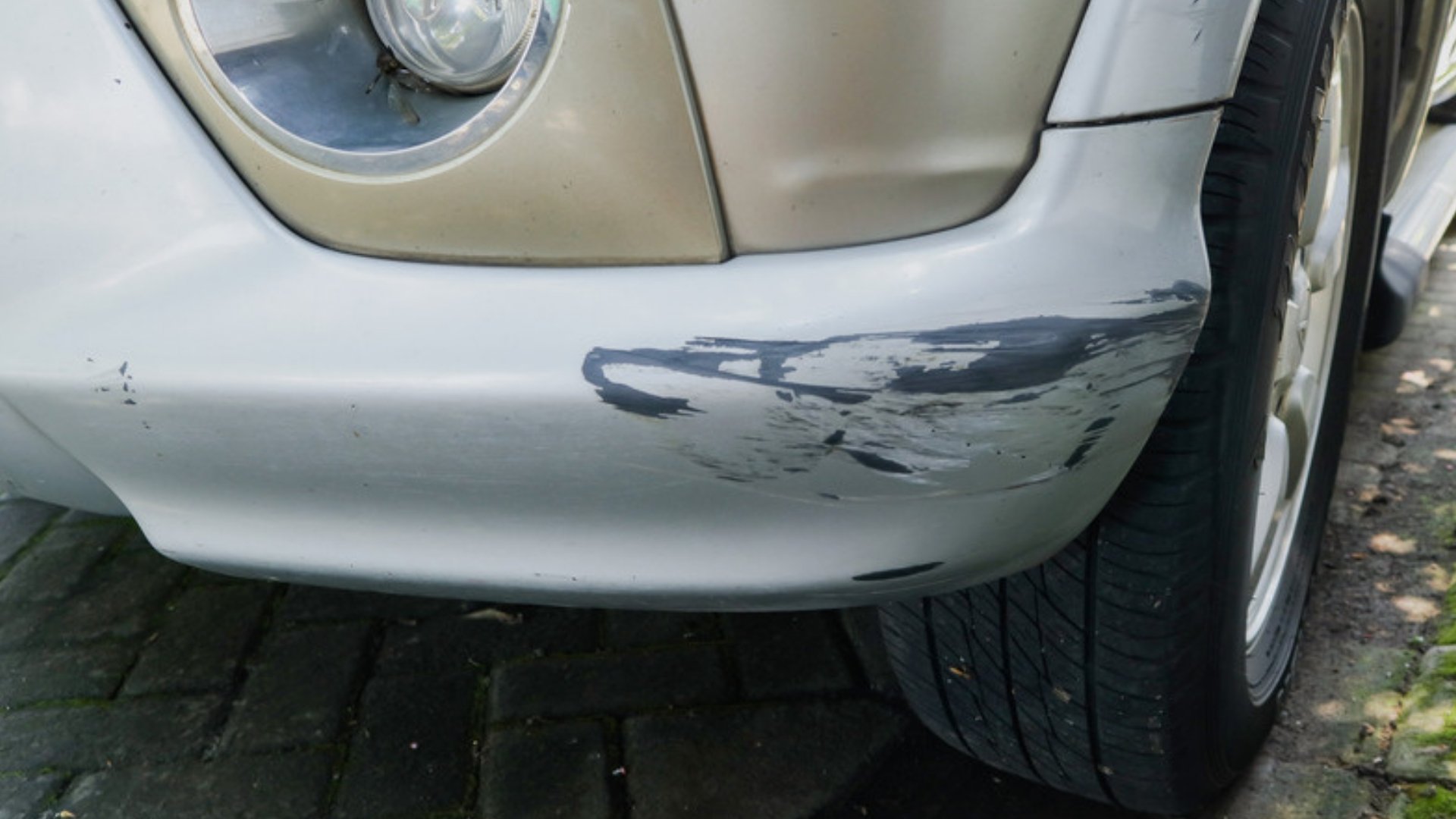
When a hit-and-run driver is never found, Mississippi law treats that car as uninsured, so your own uninsured motorist coverage can pay. An Olive Branch hit-and-run lawyer gathers proof that the unknown car made physical contact with you or your vehicle, as Mississippi Code section 83-11-103 requires, and then presses the claim against your insurer.
Bob Germany Law, the Germany Law Firm, PLLC, handles injury claims across Mississippi from its office on Main Street in Madison. The firm serves drivers, passengers, and pedestrians in Olive Branch and the rest of DeSoto County. Bob Germany has practiced personal injury law for more than 40 years and has tried more than 70 jury trials. When you call, you talk with Bob, and he handles the case himself.
If a driver hit you in Olive Branch and kept going, call Bob Germany Law at (601) 812-5524 for a free consultation. Bring the police case number and any photos you have, even if the other car is long gone.
Which Insurance Pays After a Hit-and-Run in Olive Branch?
A driver clips your car on Goodman Road and never slows down. Your bumper is crushed, your neck aches, and there is nobody to send the bill to. Or is there? Bob Germany Law’s page on hit-and-run accident claims covers how these cases start, and most of the money comes from a policy you already pay for.
Mississippi builds that coverage into nearly every auto policy. Section 83-11-101 requires uninsured motorist (UM) coverage in every auto liability policy unless a named insured rejects it in writing. Section 83-11-103 then counts a vehicle whose owner or operator is unknown as an uninsured motor vehicle. After an Olive Branch hit-and-run, these sources may pay, depending on what your policies carry.
- Uninsured motorist bodily injury coverage can pay for injuries the unknown driver caused.
- Uninsured motorist property damage coverage can pay for your car, though the policy may exclude the first $200.
- Collision coverage on your own policy can repair your car, subject to your deductible.
- Medical payments coverage, if you bought it, can pay medical bills no matter who was at fault.
- Health insurance can pay treatment bills and may later seek repayment from any recovery.
How much each source pays turns on your policy limits and the facts of the crash, which a lawyer reviews line by line. The order matters too. Under section 83-11-101, UM property damage coverage does not have to pay for damage that other insurance already covered.
An Unknown Driver Counts as an Uninsured Driver
Section 83-11-103 lists six situations that make a vehicle uninsured. One is a motor vehicle whose owner or operator is unknown. That is the hit-and-run rule in plain words. Your UM coverage then pays what you could have recovered from that driver, up to your limits. The minimum limits track the Mississippi Motor Vehicle Safety Responsibility Law. You can buy higher limits, up to the bodily injury liability limits on your own policy.
Policies That Can Cover You Besides Your Own
Many people check only the policy with their own name on it. That habit can leave real coverage unclaimed. The statute defines who counts as an insured for UM purposes, and the definition reaches further than most drivers expect. Look at every auto policy in your household before deciding there is no coverage. A lawyer can request each declarations page and match it to the crash.
A Relative’s Policy in the Same Household
Under section 83-11-103, an insured includes the named insured’s spouse and relatives who live in the same household. Say your adult son lives with you in Olive Branch and carries his own policy. Because you live in his household, his UM coverage may reach your injuries too. The exact answer depends on how each policy is written.
Coverage When You Were Walking or Riding a Bike
The same definition covers those relatives “while in a motor vehicle or otherwise.” Those last two words matter for anyone hit on foot or on a bicycle. A pedestrian struck in a Goodman Road crosswalk may be able to turn to the household’s UM coverage, even though no insured car was involved. The firm’s page on pedestrian accident lawyers in Olive Branch covers those cases in more depth.
The Physical Contact Rule an Olive Branch Hit-and-Run Lawyer Must Prove
Here is the rule most hit-and-run victims never hear about until a claim stalls. Section 83-11-103 says that when an unknown driver causes bodily injury, “actual physical contact must have occurred” between that vehicle and the person or property of the insured. Without contact, the statute’s words do not support a UM claim for those injuries. You can read the full text of Mississippi’s uninsured motorist definitions on Justia.
The contact can be with you or with your property. Picture a car that sideswipes your truck on U.S. 78 and keeps driving toward Memphis, where the highway becomes Lamar Avenue. That crash meets the rule. A car that forces you onto the shoulder without touching you does not. Whether your facts clear that bar depends on the evidence, and a lawyer should review it before you give the insurer a statement.
How Contact Gets Proved When the Other Car Is Gone
Your insurer will not take your word for it. Contact gets proved the way investigators rebuild any crash, from marks, parts, and people. Start collecting the evidence on the day of the crash, before repairs or rain erase it. These kinds of proof tend to carry weight in an Olive Branch claim.
- Paint transferred from the other vehicle onto your car shows the two cars touched.
- Pieces left at the scene, such as a mirror housing, can come from the fleeing car.
- Damage at a height and angle that fits a second vehicle supports your account.
- Witnesses who saw the impact can confirm it, so get their names and phone numbers.
- Video from dash cameras or nearby business cameras can show the collision itself.
No single item is required. A lawyer weighs how the pieces fit together, and that review shapes how the claim looks to the adjuster.
Physical Evidence Left on Your Vehicle
Your car holds the strongest evidence you have, as long as nobody repairs it too soon. Photograph every scrape from several angles, with a coin or ruler in the frame for scale. Keep the damaged parts if a body shop replaces them. Ask your insurer to inspect the car before any repair begins.
Paint Transfer and Damage Height
Paint transfer is the clearest sign of contact. A streak of silver on a red bumper tells an adjuster that a silver vehicle touched it. Damage height adds detail, since a pickup bumper and a sedan bumper strike at different levels. Together, those two marks can also help police narrow down the fleeing vehicle.
Parts the Fleeing Car Left Behind
A fleeing car can leave pieces of itself on the pavement. A broken mirror housing or headlight lens may carry part numbers that point to a make and model. Ask the responding officer whether those parts were collected. If it is safe, photograph anything still lying in the road, because fragments prove contact even when no witness stayed.
Witnesses and Camera Footage Along Goodman Road
Goodman Road is lined with shopping centers, gas stations, and drive-throughs, and many of them run cameras. Plenty of those systems record over old footage on a loop. Ask a manager the same day to save the recording from the time of the crash. A lawyer can follow up with a written request to preserve it.
When the Other Car Never Touched You
Miss-and-run crashes are the hard cases. A driver cuts across your lane on Highway 305, you jerk the wheel, and you hit a light pole. The other car never touched you, so the statute’s contact rule for injury claims is not met. Your collision coverage, medical payments coverage, and health insurance may still pay. A lawyer can also check whether the other driver can be identified, because a known driver can be pursued directly.
Reporting a Hit-and-Run to the Olive Branch Police Department
Call 911 from the scene, even if you feel fine. The Olive Branch Police Department, at 10470 Highway 178, usually writes the report for crashes inside the city. That report is the first document every insurer asks for. It also starts the search for the driver who left.
Olive Branch has a shortcut for small crashes, and it does not fit yours. When the department activates its inclement weather policy, as it did in January 2026, officers skip crashes with no injuries, no impairment, and no tow. Both drivers trade information and file a report in person within 10 business days. A hit-and-run leaves no second driver to trade with, so ask for an officer at the scene. Give that officer everything you remember while it is fresh.
- Tell the officer which direction the other car went and which street it turned onto.
- Give any part of the license plate you saw, even two or three characters.
- Describe the color, body style, and any damage you noticed on the fleeing vehicle.
- Note the exact time, which lets nearby businesses pull the right video.
- Point out witnesses who stopped, and ask them to wait for the officer.
Write down the case number before you leave. You will need it for your insurer and for the report request.
Getting a Copy of the Olive Branch Crash Report
Olive Branch posts its records fees on the Olive Branch Police Department page. Under the fee schedule effective March 11, 2026, an online eCrash copy of an accident report costs $25. A copy picked up in person costs $10. A DVD of photos or video costs $20. That disc can matter more than the report itself, because scene photos may show paint transfer or debris.
Who Can Request the Report Under State Law
Mississippi limits who may get a crash report. The state crash report portal, which the city links for report requests, cites section 63-3-417. Under that section, the people involved in the crash and their next of kin can get a copy. So can their legal representatives and their insurers. Anyone else who obtains a report by fraud commits a misdemeanor, so your lawyer handles the request for you.
What Happens When Police Find the Driver Who Fled
Sometimes the search works. A partial plate, a tip from a body shop, or a camera on Highway 178 leads police to the driver days or weeks later. Two separate tracks then open. The state can prosecute the driver for leaving the scene, and you can pursue an injury claim against that driver and his or her insurer.
The criminal case and your claim run on different rules. A conviction does not pay your medical bills, and an acquittal does not end your claim. The firm’s page on car accident attorneys in Olive Branch explains how claims against an identified driver move forward.
Leaving the Scene Is a Crime Under Section 63-3-401
Section 63-3-401 requires any driver in a crash that injures or kills someone to stop immediately at the scene. A driver who pulled away has to return and remain there. The duty covers the driver of any vehicle involved, so it does not depend on who caused the crash. The penalties climb with the harm done. A conviction also costs the driver a license, because the same section tells the commissioner to revoke it.
Penalties When Someone Is Injured
A driver who willfully fails to stop after a crash that injures someone faces 30 days to one year in jail. The court can add or substitute a fine from $100 to $5,000. Those ranges come straight from section 63-3-401(3). The prosecutor, not the victim, decides whether to bring the charge.
Penalties for a Death or Permanent Disability
The stakes jump when the crash kills someone or causes a permanent injury, such as disfigurement or disability. Section 63-3-401(4) makes that a felony. The sentence runs from 5 to 20 years in prison, a fine of $1,000 to $10,000, or both. For a grieving family, the felony case and any wrongful death claim move on separate paths.
Your Claim Once the Driver Has a Name
Once police identify the driver, you can claim against that driver’s liability insurance. Mississippi’s minimum under section 63-15-3 is $25,000 per person, $50,000 per crash, and $25,000 for property damage. Serious injuries can run past those limits fast. Section 83-11-103 counts a vehicle as uninsured when its bodily injury limits are lower than your UM limits, so your own coverage may pick up part of the gap. How much each policy pays depends on the injuries and the limits, which a lawyer confirms from the declarations pages.
How Fault and Value Work in a DeSoto County Hit-and-Run Claim
Your own insurer is not automatically on your side here. Under section 83-11-101, UM coverage pays what you would be legally entitled to recover from the other driver. So you still have to show the unknown driver was at fault, and you still have to prove your damages. The insurer can dispute both, the same way the missing driver’s insurer would have.
That makes a hit-and-run claim feel strange. The company you pay every month is the same company that values your injuries. Any number depends on medical records, lost wages, and the facts of the crash, so no lawyer can predict it at the start. The firm’s page on dealing with insurance companies explains how adjusters approach claims like this one.
Shared Fault Under Section 11-7-15
Mississippi uses pure comparative negligence. Section 11-7-15 says your own negligence does not bar recovery, but your damages shrink in proportion to it. Suppose an insurer argues you were 20% at fault for drifting over a lane line on Goodman Road. It can then seek to cut the claim by 20%. The final split depends on evidence a lawyer has to test, such as video and the crash report.
What Uninsured Motorist Coverage Can Pay For
Because the coverage tracks what you could recover from the driver, it reaches the same losses as an ordinary injury claim. That includes medical bills, lost wages, and pain and suffering. Your UM limits set the ceiling for what that coverage pays. The firm’s page on uninsured and underinsured motorist claims walks through how limits and coverage disputes play out.
Deadlines for Filing a Hit-and-Run Claim in DeSoto County
A hit-and-run claim can move slowly while police search, but the legal clocks keep running. Section 15-1-49 gives three years for most injury lawsuits in Mississippi, counted from when the claim accrued. Many out-of-state websites say two years, which is wrong for a Mississippi car crash. The exact start date depends on the facts, and a lawyer should confirm it early.
A lawsuit over a crash in Olive Branch generally belongs in DeSoto County, where the Circuit Clerk’s office sits at 2535 Highway 51 South in Hernando. Section 11-11-3 allows a civil action in the county where a substantial event that caused the injury occurred. That holds even when the driver who fled lives across the state line in Tennessee. These are the dates that come up most after an Olive Branch hit-and-run.
- A lawsuit against a driver who is later identified generally must be filed within three years under section 15-1-49.
- Your policy requires notice of the crash, and most policies ask for that notice promptly.
- A claim against a city, county, or state driver needs written notice at least 90 days before suit under section 11-46-11.
- That government claim generally must be filed within one year under the Mississippi Tort Claims Act.
Section 83-11-103 also treats a driver who is immune under the Tort Claims Act as uninsured, once you exhaust that law’s administrative steps. Missing any of these dates can end a claim before anyone weighs its merits.
Questions Olive Branch Drivers Ask About Hit-and-Run Claims
These questions tend to surface once the shock of a hit-and-run wears off. Each answer follows Mississippi law as it reads today. For broader answers about injury cases, see Bob Germany Law’s personal injury FAQ, or read about the personal injury attorneys serving Olive Branch.
Do I Pay a Deductible on a Hit-and-Run Property Damage Claim?
Possibly. Section 83-11-101 lets a UM property damage provision exclude the first $200 of damage. If you claim under collision coverage instead, your collision deductible applies.
What if I Signed a Form Rejecting Uninsured Motorist Coverage?
Then that coverage likely does not apply, because section 83-11-101 lets a named insured reject it in writing. That rejection can carry into renewal and replacement policies from the same insurer unless you request the coverage in writing. Ask the insurer for the signed form, and check every other policy in your household.
Can a Passenger in My Car Use My Uninsured Motorist Coverage?
Generally, yes. Section 83-11-103 defines an insured to include a guest in the vehicle the policy covers and anyone using it with the named insured’s consent. A passenger may also have coverage through a policy in his or her own household.
What if the Driver Is Found but Has No Insurance?
That vehicle counts as uninsured under section 83-11-103, the same as a car that was never found. Once the driver is known, the physical contact rule for unknown drivers no longer controls the claim. You may also have a claim against the driver personally, though collecting from an uninsured person is a separate question.
Should I Give My Insurer a Recorded Statement After a Hit-and-Run?
Your policy may require you to cooperate with your own insurer, and the claim depends on proving contact and fault. A careless answer about how the crash happened can hurt both. Talking with a lawyer first lets you learn what the policy actually requires.
Talk to an Olive Branch Hit-and-Run Lawyer About Your Claim
A hit-and-run leaves you holding the bill for someone else’s choice. It does not have to stay that way. An Olive Branch hit-and-run lawyer can preserve the contact evidence, identify the policies that may cover you, and keep the claim inside Mississippi’s deadlines.
Bob Germany was admitted to the Mississippi Bar in 1981 and has been selected to Super Lawyers from 2011 through 2026. He holds the rank of Advocate in the American Board of Trial Advocates. You work with Bob directly, from the first call to the end of the case.
Call Bob Germany Law at (601) 812-5524 for a free consultation, or send the firm a message through its contact page. The office is at 2060 Main St, Madison, MS 39110, and the firm serves clients in Olive Branch and across DeSoto County. You pay no fee unless the firm wins.